— Selling Articles
Selling Articles
Articles on selling a home in Florida — pricing, prep, staging, disclosure, and the seller closing-cost realities under the post-NAR commission shift.
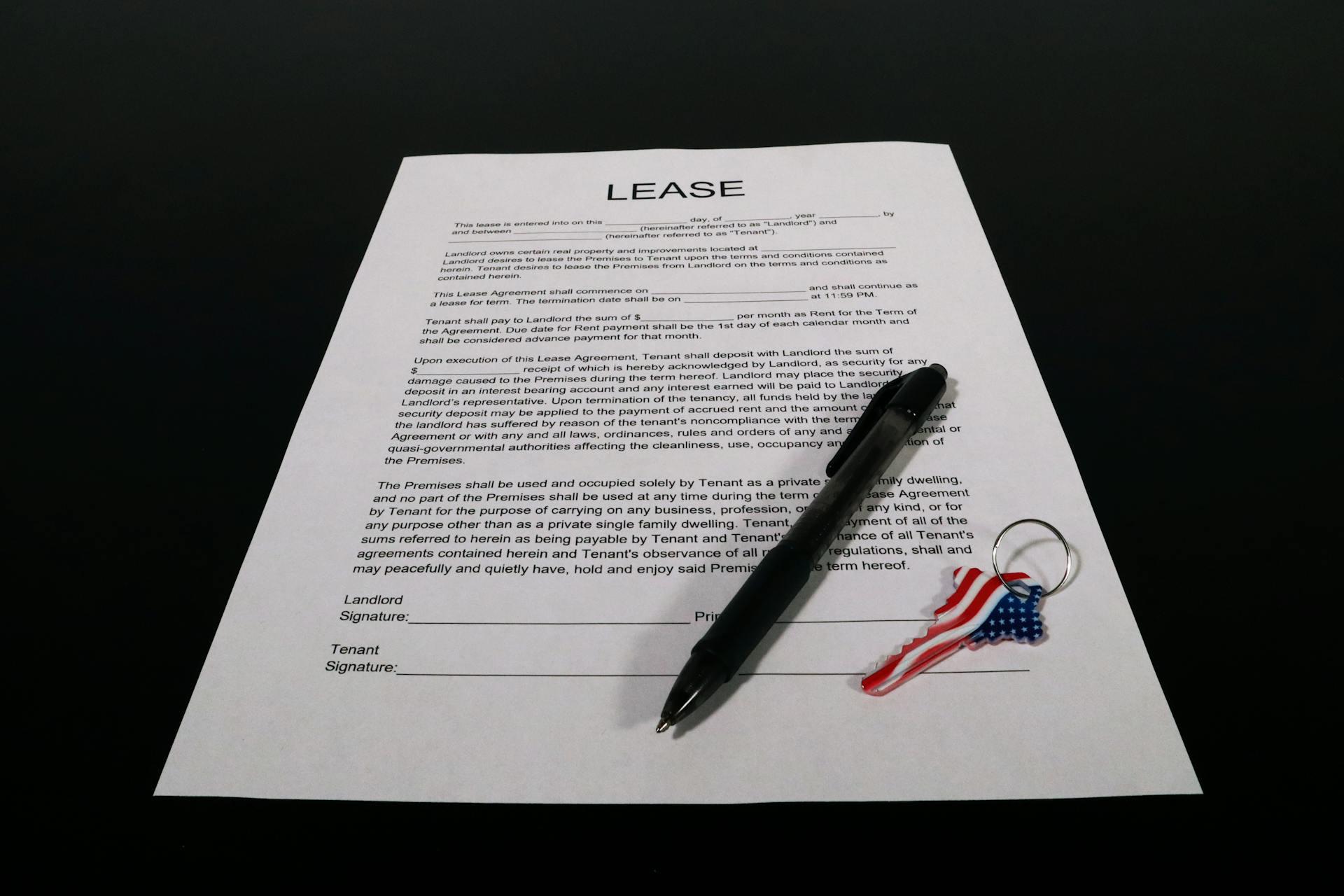
How to Sell a Tenant-Occupied Rental Property in Florida
Selling a Florida rental with a tenant in place means reading every line of the lease, building an investor package with current rent, NOI, and cap rate, giving proper notice for showings, and handling the security deposit transfer and prorations correctly at closing — or planning a vacancy-first strategy for retail buyers.

Selling a House with Code Violations in Florida
Yes, you can sell a Florida home with code violations — but the violation type determines your path. Fines and enforcement liens must be resolved at or before closing. Unpermitted work requires disclosure. Sellers typically choose to remediate, price it in, or negotiate a credit. A real estate attorney should review any lien before you list.

Does a Lease Survive the Sale of a House in Florida?
In Florida, a fixed-term lease generally survives the sale of a rental property. The new owner steps into the landlord's role and must honor the existing lease until it expires. Month-to-month tenancies are different — the new owner can typically terminate with 15 days' written notice before the end of the rental period.
Selling a House with Unpermitted Work in Florida
Yes, you can sell a Florida home with unpermitted work — but you must disclose it. Your options are retroactive permitting, pricing the issue in, or selling as-is to a cash buyer. Each path has a different cost, buyer pool, and timeline. Here's how to decide.
Selling a House with Open Permits in Florida
Yes, you can sell a Florida home with open permits — but an open permit found during a title search can stall your closing or kill a financed buyer's deal. The path forward depends on whether the permit is still active, expired, or simply never finaled. Here's what to do.

Curb Appeal for Florida Sellers: What Actually Moves Price
First impressions in Florida are not the same as the rest of the country. Heat, humidity, and HOA rules change what works. Here is what actually moves price — from palm selection to pavers to pressure washing before the MLS photographer shows up.

Before You List: A Florida Seller Pre-Sale Checklist
A task-by-task Florida seller checklist organized by timing — 3 months out through the morning of your first showing. Covers AC service, roof documentation, FAR/BAR disclosure, permit history, and the permit audit that can kill a deal at the closing table.

How to Sell Your Home in Florida: 7 Strategic Tips for 2026
Florida sellers face a different set of decisions than sellers anywhere else — humidity-driven pricing adjustments, hurricane-season timing, the post-NAR commission shift, and buyer anxiety around insurance. Here is how to think through each one before you list.

How to Stage a Home for Sale in Florida
Staging a home in Florida is not the same as staging one in Minnesota. The climate, the floor plans, and the outdoor-living culture all demand a different approach. Here is what actually moves the needle for Florida sellers.

Florida Seller Closing Costs: A Fee-by-Fee Breakdown
Florida sellers typically keep 6–9% of the sale price after closing costs and commission — but the exact number depends on your county, your HOA, and how you handle buyer-agent comp post-NAR settlement. Here is exactly what you will pay, line by line.

Selling Your Florida Home in Fall or Winter: Why the "Spring Market" Myth Doesn't Apply Here
National advice says wait until spring to list. Florida runs on a different calendar — snowbird demand peaks October through March, competition drops, and motivated buyers show up with cash. Here's how to use the Florida selling season to your advantage.
Seller Financing in Florida: How It Works, Who It Helps, and What to Watch Out For
Seller financing lets the seller act as the lender — the buyer makes payments to them instead of a bank. In Florida, both parties need to understand the Dodd-Frank 3-in-12 rule, the promissory note and mortgage structure, installment-sale tax treatment, and what a default actually looks like in a judicial-foreclosure state.