
— Ben Laube Homes Blog
Florida Seller Closing Costs: A Fee-by-Fee Breakdown
Most sellers come to the table thinking about their sale price. What actually matters is their net proceeds — what hits the bank account after every fee, tax, and commission is paid. In Florida, that gap is meaningful. A seller on a $450,000 home can realistically walk away with $30,000–$40,000 less than the sale price once all closing costs clear.
This breakdown covers every line item, Florida-specific customs by county, and a simple worksheet you can use before you list to estimate your net.
Documentary Stamp Tax on the Deed
Florida levies a documentary stamp tax every time a deed transfers ownership. The rate is $0.70 per $100 of the sale price in every county except Miami-Dade, where single-family residential transfers are taxed at $0.60 per $100 (plus an additional $0.45 surtax on other property types).
On a $400,000 sale in Pinellas or Hillsborough County, doc stamps on the deed run $2,800. In Miami-Dade on the same price, you are looking at $2,400 for the base rate — but factor in the surtax if the property is not single-family residential.
The seller is responsible for this tax in almost every Florida transaction. It is collected at closing by the title company and remitted to the Florida Department of Revenue.
Title Insurance: Who Pays Depends on Your County
Florida sets promulgated title insurance rates by statute — every title company charges the same premium. The schedule is $5.75 per $1,000 of coverage for the first $100,000 and $5.00 per $1,000 above that. On a $400,000 sale, the owner policy runs approximately $2,075.
In most Florida counties — including Pinellas, Hillsborough, Orange, Osceola, Polk, and Seminole — it is customary for the seller to pay for the owner title insurance policy. The buyer pays for their lender title policy separately.
There are exceptions. In Sarasota, Collier, and Miami-Dade/Broward counties, it is customary for the buyer to pay for the owner policy. If you are selling in one of those counties, this line item may drop off your side of the closing disclosure — but confirm with your title company because customs can shift and everything is negotiable in the contract.
Real Estate Commission (Post-NAR Settlement Reality)
The August 2024 NAR settlement changed how buyer-agent compensation works. Sellers are no longer required to offer buyer-agent compensation through the MLS, and listings can no longer advertise that compensation on the MLS itself.
In practice, most competitive Tampa Bay and Central Florida sellers are still offering some level of buyer-agent compensation — either as a direct concession or structured into a seller credit — because buyers without coverage often cannot afford their agent. The market sets the rate now, not the MLS rule book.
Typical ranges I see in 2025-2026: listing-agent commission of 2.5–3%, buyer-agent comp of 2.5–3% if offered (negotiated separately per the buyer agency agreement). Total commission on a $400,000 sale: $20,000–$24,000 all-in when both sides are covered.
If you are selling in a hot segment — waterfront Pinellas, newer construction in Horizon West, or a turnkey home in South Tampa — you have more room to offer zero or minimal buyer-comp. If you need a faster sale or the home has deferred maintenance, buyer-comp is still a practical tool.
“The commission conversation changed in 2024. What did not change: the math. If you want buyers agents showing your home, figure out what you are willing to offer — just negotiate it upfront now instead of through the MLS.”
Title, Settlement, and Closing Fees
Beyond title insurance itself, you will see a few line items from the title company or attorney handling the closing:
- Settlement or closing fee: $350–$600 (varies by company and transaction complexity)
- Title search and exam: $300–$500 (pulling the chain of title, checking liens, judgment search)
- Wire transfer fee: $25–$50 (some companies charge to wire your proceeds)
- Overnight/courier: $25–$75 if documents need to be delivered physically
Florida does not require an attorney to handle a real estate closing — title companies are the standard here. In most Pinellas, Hillsborough, and Orange County transactions, a title company handles everything. An attorney closing is more common in high-value waterfront deals or transactions with complex title issues.
HOA Estoppel Fee
If your property belongs to a Homeowners Association, your HOA is legally required to provide an estoppel letter before closing. This document certifies the current status of your dues, any outstanding violations or fines, and the monthly amounts the buyer will owe going forward. The buyer and their lender need it; you pay for it.
Florida law caps the standard estoppel fee at $299. If you are behind on dues or there are open violations (technically called a delinquent account), an additional fee of up to $179 applies. Rush processing adds another $299 maximum. So worst-case, you are looking at $598 if you need expedited service.
Condo associations and communities governed by Chapter 718 follow similar rules. CDD (Community Development District) assessments are handled separately — those show up on the property tax bill, not the estoppel.
Prorated Property Taxes and HOA Dues
Florida property taxes are paid in arrears — the 2025 tax bill covers the 2025 calendar year, and the discount deadline for early payment is November 30. When you sell mid-year, the closing statement will include a proration: you pay for the portion of the year you owned the property.
Example: if you close on October 1 on a home with an $8,400 annual tax bill ($700/month), you owe the buyer a credit of approximately $7,000 (10 months Jan–Oct). This comes off your proceeds at closing, not as a separate check.
HOA dues work the same way. If you have paid through the end of the quarter, you get a credit for the days after closing. If you are behind, the title company collects the arrears and pays the HOA out of your proceeds.
Mortgage Payoff and Recording Fees
If you have an existing mortgage, the payoff amount is not just your outstanding balance. It includes per-diem interest from your last payment date through the funding date (usually 3–5 business days after the closing date), plus any prepayment penalty if your loan has one (rare on conventional 30-year mortgages post-2014 but worth checking).
Request a 10-day or 30-day payoff quote from your lender once you have a contract signed. Do not use your most recent statement balance — it does not account for accruing daily interest.
Recording fees are the county clerk charge to record the satisfaction of your mortgage (to clear the lien from the public record) and to record the new deed. Florida recording fees: $10 for the first page, $8.50 for each additional page. A typical mortgage satisfaction document is 2–4 pages, and a deed is similar. Expect $50–$100 total in recording fees from your side.
Seller Concessions: Optional but Common
A seller concession is a credit you agree to give the buyer at closing to cover part of their closing costs. It reduces your net proceeds but can make a deal work — especially when a buyer is light on cash at closing or needs help covering their lender fees, title, and prepaid items.
Concession limits by loan type (these are federal guidelines, not negotiated):
- Conventional loan: 3% of the purchase price if the buyer puts down less than 10%; 6% if 10–24% down; 9% if 25%+ down
- FHA loan: 6% of the purchase price
- VA loan: 4% for certain costs; no cap on prepaid items
- USDA loan: no formal cap but limited to actual buyer closing costs
Repair credits work differently — a lender may require repairs to be physically completed before closing rather than credited. Discuss with your agent before agreeing to a credit vs. a repair.
Net Proceeds Worksheet: Estimating Before You List
Here is the math for a $450,000 sale in Pinellas County with a $200,000 mortgage payoff and a typical HOA:
- Sale price: $450,000
- Doc stamps on deed (0.70%): – $3,150
- Owner title insurance: – $2,325
- Title/settlement/search fees: – $900
- HOA estoppel fee: – $299
- Property tax proration (estimated mid-year): – $4,200
- Recording fees: – $75
- Listing agent commission (2.75%): – $12,375
- Buyer agent comp (2.75%, if offered): – $12,375
- Mortgage payoff: – $200,000
- Estimated net proceeds: ~$214,301
Adjust the commission lines based on your agreement. If you are paying zero buyer-agent comp and negotiated a 2% listing side, your net on the same sale is roughly $21,000 higher. The math always comes back to how the commission is structured.
I build a seller net sheet for every listing consultation — not a rough estimate, a line-by-line calculation using your actual mortgage payoff quote, your specific HOA, and the current title rate. If you want to run the numbers before making any decisions, reach out or use the home valuation tool at /home-valuation to start.
Frequently Asked Questions
Who picks the title company in Florida?
In most counties where the seller pays for the owner title policy, the seller (or their agent) typically selects the title company. In buyer-pays counties like Sarasota and Collier, the buyer typically selects. Either party can negotiate this — it is a contract term, not a law.
Do I pay doc stamps on a cash sale?
Yes. Doc stamps on the deed apply to the purchase price regardless of whether a mortgage is involved. The intangible tax ($0.002 per dollar of loan) and the doc stamps on the mortgage note ($0.35 per $100) are buyer costs tied to the new loan — those go away in a cash deal. Your deed doc stamps ($0.70 per $100) do not.
Can I sell without paying buyer-agent compensation?
Yes, legally. Post-NAR settlement, you are not required to offer it through the MLS or at all. In practice, your agent will walk you through what the local market is doing in your price band — in some segments, skipping it costs you more in reduced buyer pool than you save in fees.
What is the difference between a closing fee and a title insurance premium?
Title insurance protects against ownership disputes or title defects discovered after closing. The closing or settlement fee is the title company charge for actually running the closing — reviewing documents, coordinating lenders and attorneys, collecting and disbursing funds. They are separate line items on the closing disclosure.
Nearby
Neighborhoods featured in this post
 Featured
South Tampa
Tampa
Historic + contemporary mix stretching from Bayshore Boulevard to MacDill. Top-rated schools and walkable village pockets.
 Featured
Horizon West
Winter Garden
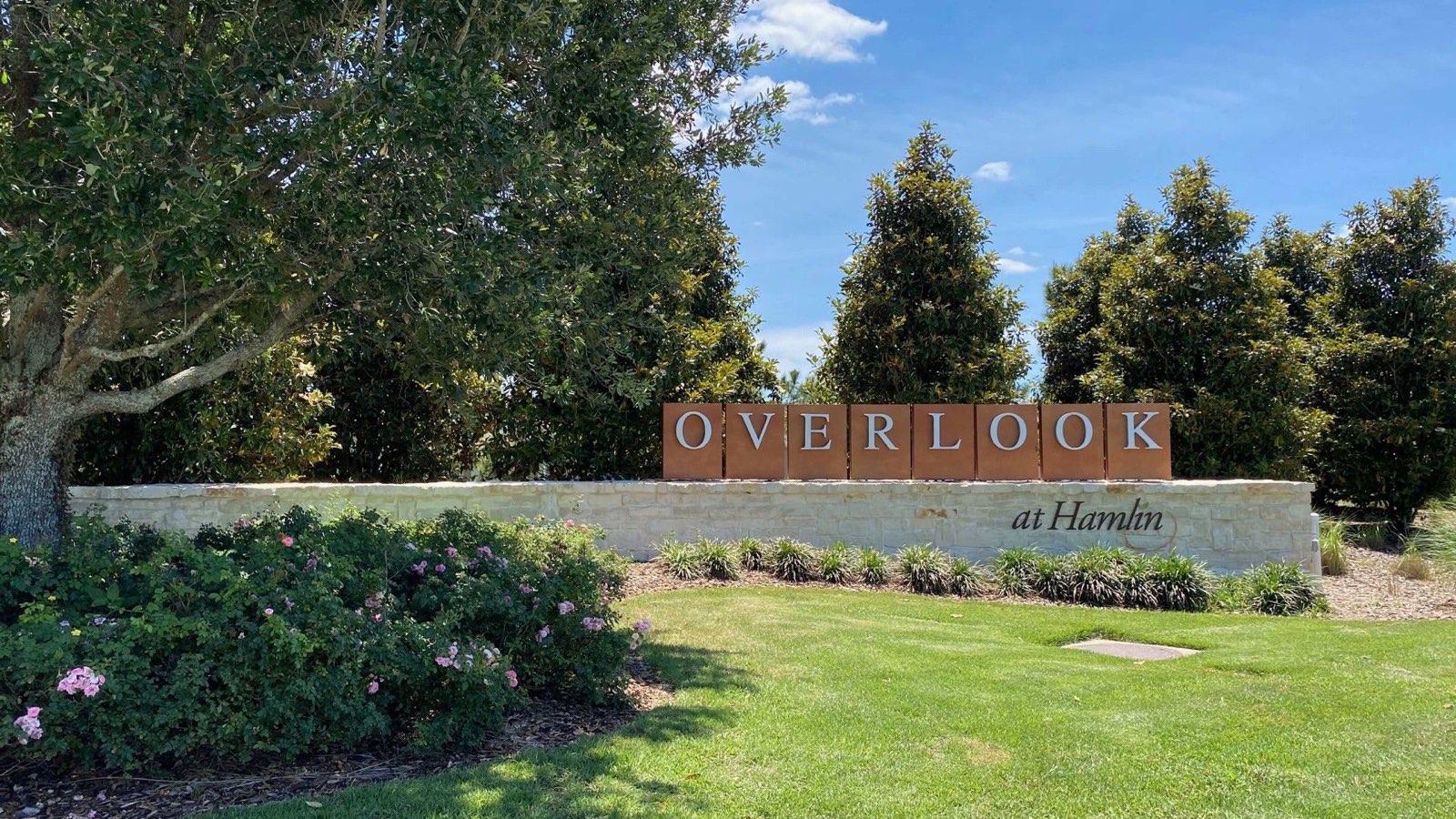
Orange County's largest master-planned community — 20,000+ acres organized into distinct villages (Hamlin, Lakeside, Bridgewater) with its…
Questions about your own market?
Reach out for a tailored take on your neighborhood, timeline, or price band.