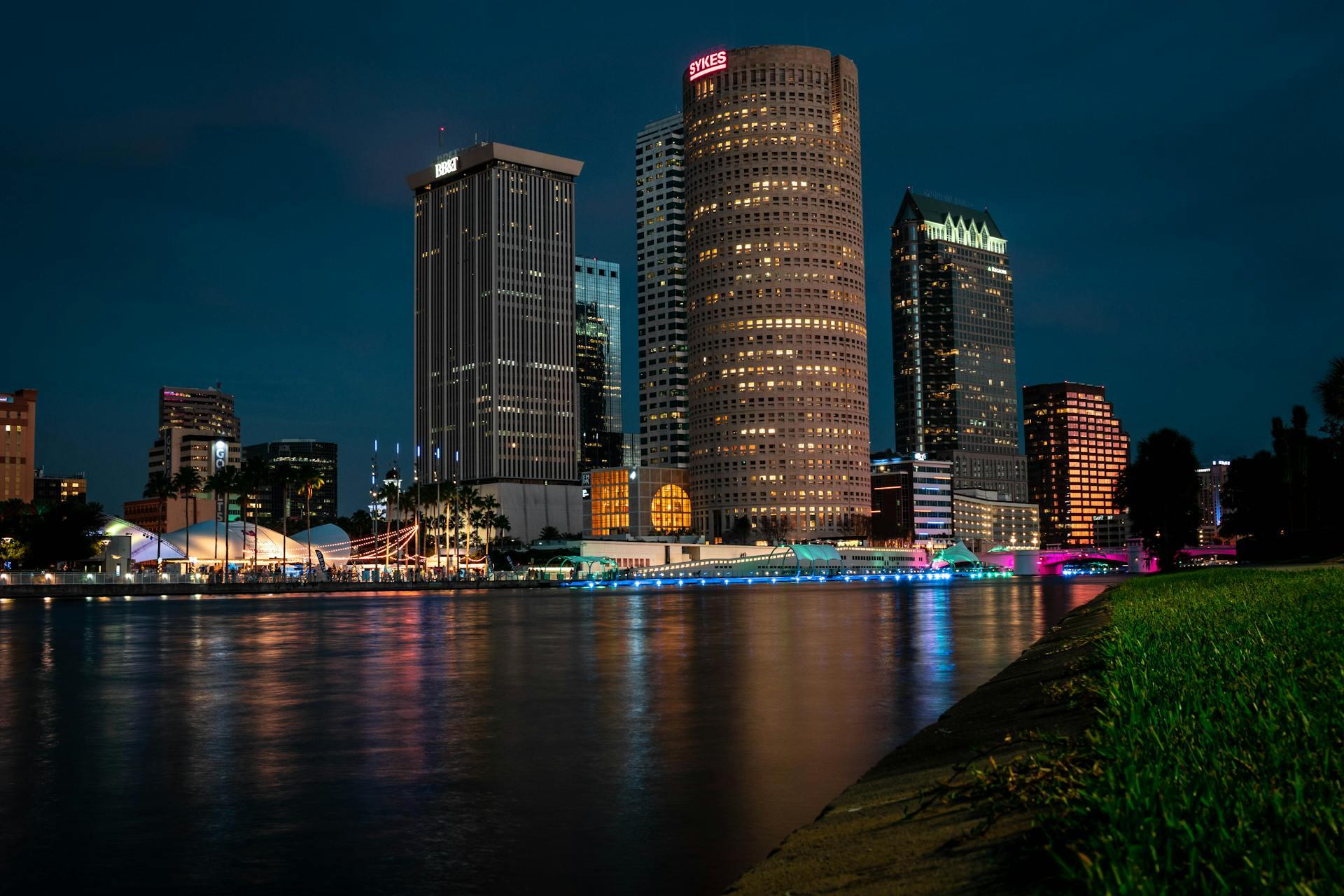
Tampa grew up on cigars and phosphate. Vicente Martinez Ybor moved his cigar operation here in 1885, importing thousands of Cuban, Spanish, and Italian workers who built the brick factory blocks of Ybor City that still stand today. The port followed — Tampa Bay is one of the deepest natural harbors on the Gulf Coast — and by the mid-20th century the city was Florida's commercial center. What distinguishes Tampa from Orlando or Jacksonville is density of character: within a 20-minute drive you can go from the canopied 1920s streets of Hyde Park to the Armature Works food hall on the Hillsborough River to the 50-story towers of downtown to Bayshore Boulevard's 4.5 miles of uninterrupted waterfront path. That path — Bayshore Boulevard — is the city's most reliable social institution. On any given morning you'll share it with military personnel from MacDill Air Force Base running their PT, retirees walking dogs, and Hyde Park residents logging their daily miles with a view of the bay. It's four and a half miles one way, with a concrete balustrade overlooking Hillsborough Bay, and it tells you more about South Tampa than any real estate brochure will. The waterfront development story of the last decade centers on Water Street Tampa, the $3.5B mixed-use project between Amalie Arena and the Convention Center. USF Morsani College of Medicine moved its main campus there in 2019. The JW Marriott Water Street and Tampa EDITION hotels followed. Condos above 50 stories have delivered. The effect on adjacent neighborhoods — Channelside, Harbour Island, downtown proper — has been measurable: commercial activation that simply wasn't there before 2018. The employment base is broad in a way that insulates the metro better than markets that rely on one industry. MacDill AFB drives $4.5B+ annually into the local economy and creates perennial demand for housing in South Tampa's school districts. BayCare Health System, Tampa General Hospital, and the growing biotech cluster around USF Health employ tens of thousands. The West Shore Business District — the corridor of office parks and retail around International Plaza — is the region's primary white-collar employment hub. JPMorgan Chase, Amazon, PwC, and USAA all have significant Tampa operations.
Market context
Tampa's housing market has moved from a near-frenzied seller's market in 2022–2023 toward something closer to balance in spring 2026. The citywide median home price was $433,000 in March 2026 — up 4.2% year-over-year — with homes spending a median of about 50 days on market. Active inventory across the metro is up roughly 18% from spring 2025, giving buyers more time to conduct due diligence and more negotiating room on price and terms. That said, the market is not uniform: South Tampa neighborhoods like Hyde Park, Davis Islands, and Bayshore Beautiful continue to absorb supply quickly, while some outer corridors have seen more price softening. The $300/sqft citywide median masks significant spread — South Tampa waterfront routinely trades at $600–$900/sqft, while New Tampa master-planned communities come in at $200–$300/sqft. Insurance costs have replaced interest rates as the primary affordability headwind in 2026. Buyers in flood zones — which covers significant portions of South Tampa, Davis Islands, and Harbour Island — are budgeting $8,000–$15,000+ per year for combined homeowners and flood coverage. This has pushed some buyer demand northward to Carrollwood, Westchase, and Wesley Chapel, where flood exposure is lower.
Neighborhoods
Neighborhoods in Tampa
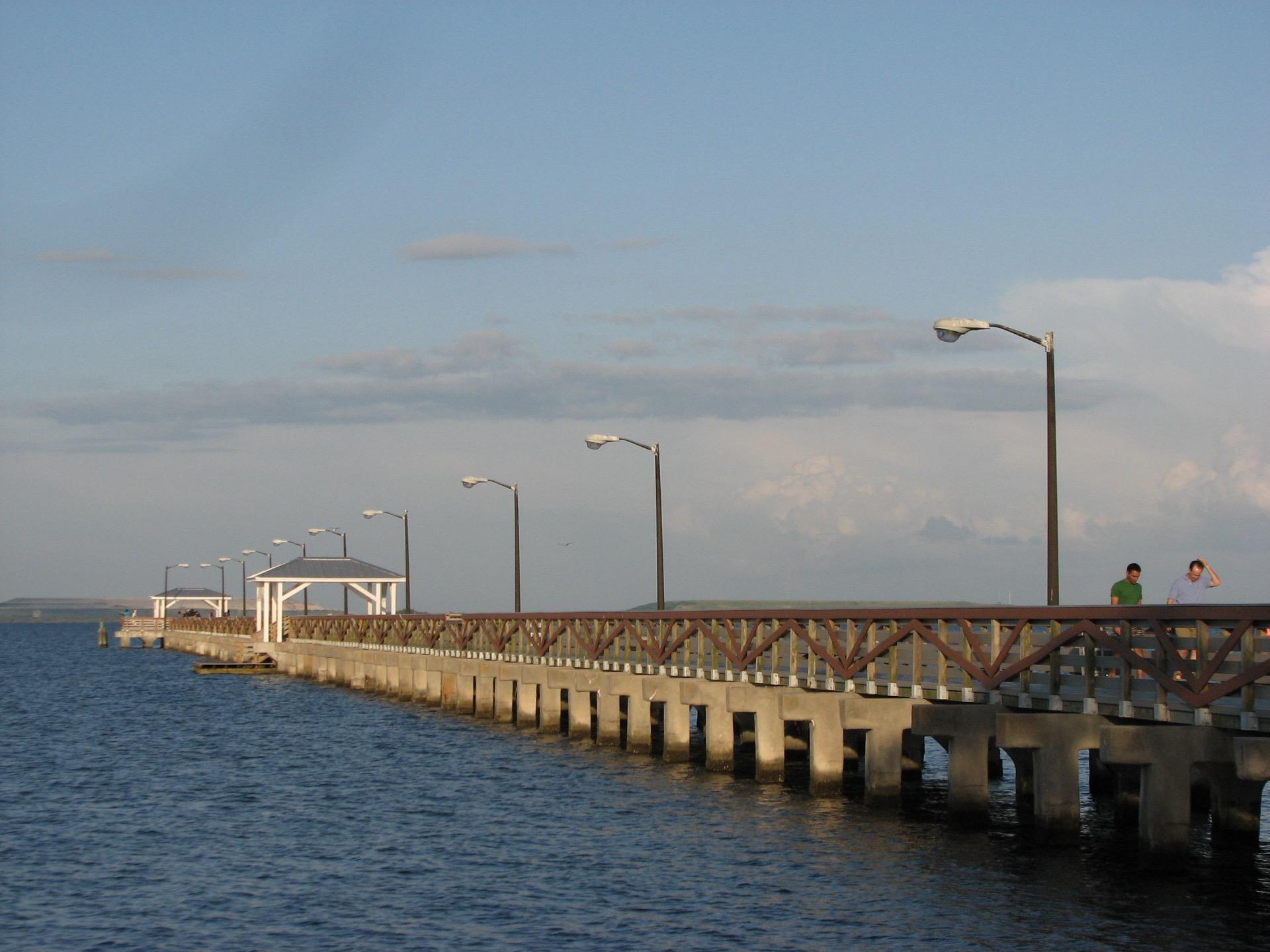
Ballast Point
Ballast Point sits at the southern tip of South Tampa — 1.7 square miles of live-oak-canopied streets between Hillsborough Bay and MacDill Air Force Base, anchored by a 600-foot pier that's been drawing anglers and sunset-seekers since the 1890s.
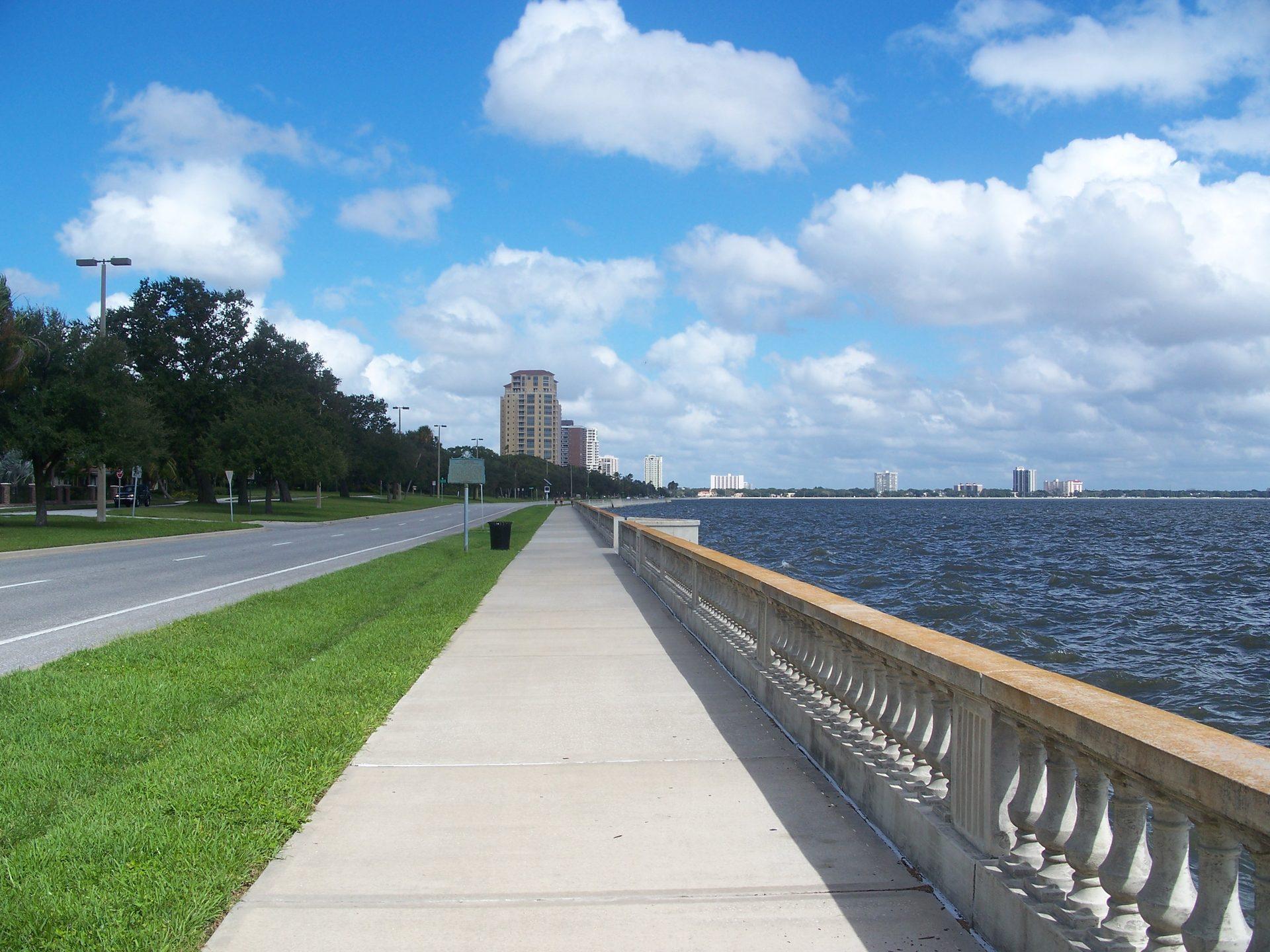
Bayshore Beautiful
Bayshore Beautiful lines the eastern shore of South Tampa along Hillsborough Bay — stately homes from the 1920s and 1940s on canopied streets a short walk from one of the longest continuous sidewalks in the United States.
Carrollwood
Carrollwood is northwest Tampa's most established suburban neighborhood -- a community built around Lake Carroll, a 210-acre private motorboat lake, with homes dating to the 1959 founding and Carrollwood Village, a 1,800-acre master-planned community anchored by a 27-hole country club.
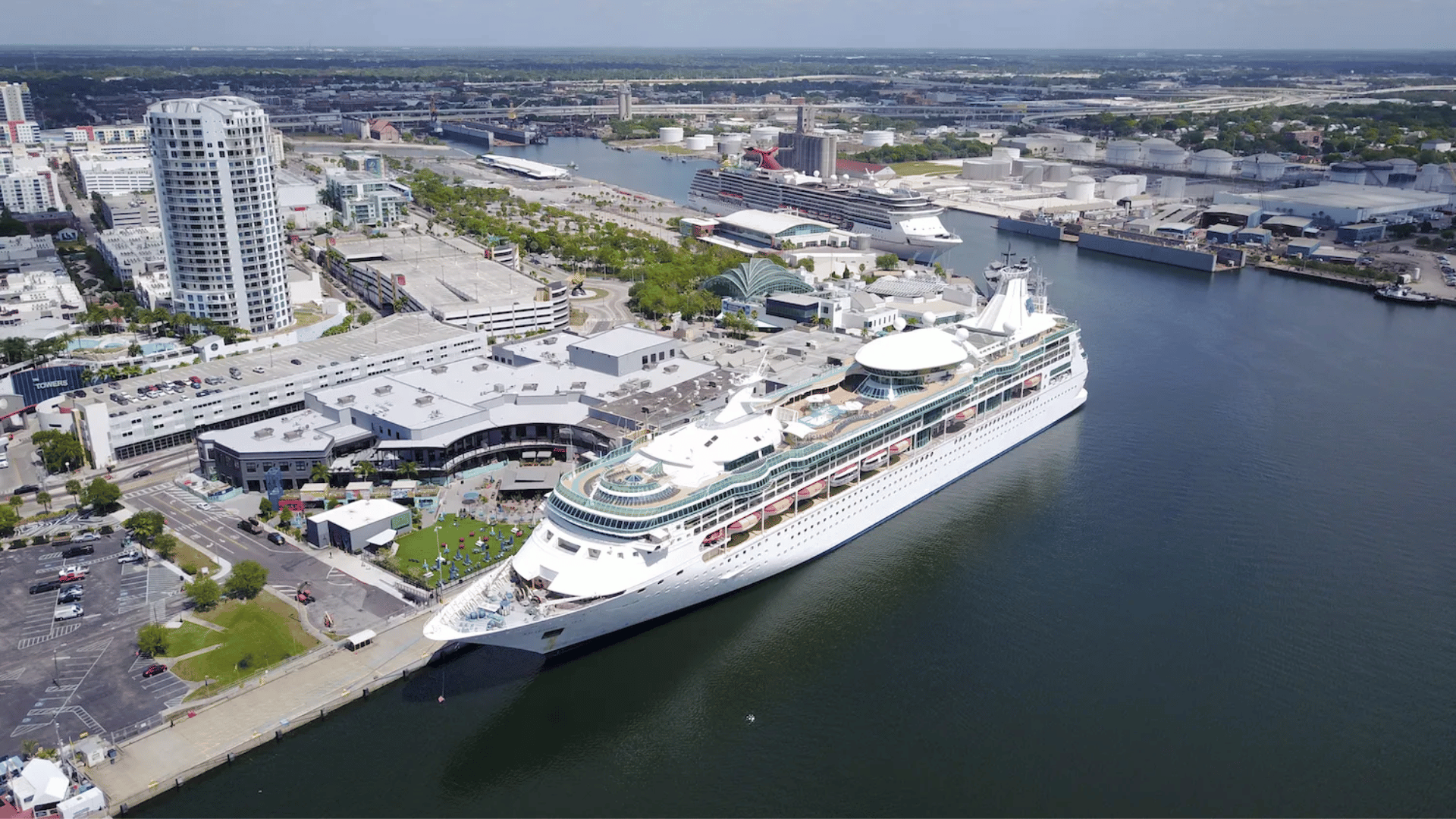
Channelside
Downtown Tampa's waterfront high-rise district. Riverwalk access, Amalie Arena, Water Street development, and a fast-growing urban core.

Davis Islands
Davis Islands is Tampa's only true island neighborhood — two man-made islands built from dredged Tampa Bay mud in the 1920s, connected to downtown by a short bridge, with no traffic lights, a working general aviation airport, and Mediterranean Revival homes that have stood for a century.

Harbour Island
Harbour Island is a 177-acre man-made island in the Garrison Channel, a short bridge from downtown Tampa — gated south end, walkable north end, and private marina access to Tampa Bay.

Hyde Park
Brick streets, craftsman bungalows, and a walkable village — one of Tampa's most characterful older neighborhoods.
New Tampa
New Tampa is a 24-square-mile collection of master-planned communities along Bruce B. Downs Boulevard — annexed by Tampa in 1988 and built almost entirely in the 1990s and 2000s on what was agricultural land north of USF. Tampa Palms, Hunter's Green, Pebble Creek, and a dozen other neighborhoods with manned gates, community pools, and golf courses make up the district.
Schools
Top-rated schools in Tampa
- Coleman Middle School10/10
Hillsborough County Public Schools
- Dale Mabry Elementary School9/10
Hillsborough County Public Schools
- George S. Middleton High School4/10
Hillsborough County Public Schools
- Gorrie Elementary School10/10
Hillsborough County Public Schools
- Grady Elementary School10/10
Hillsborough County Public Schools
- Graham Elementary School3/10
Hillsborough County Public Schools
- Henry B. Plant High School8/10
Hillsborough County Public Schools
- Hillsborough High School3/10
Hillsborough County Public Schools
From the blog
Reading about Tampa

Florida HOA 101: What You're Really Paying For (and the CDD Trap)
HOA fees are Florida's biggest surprise for out-of-state buyers — but CDDs are the trap most never see coming. Here's exactly what you're paying for, what typical ranges look like in Tampa Bay and Central FL, and how to spot a CDD before you make an offer.

Mold and Water Damage Disclosure in Florida Real Estate
Florida has no stand-alone mold disclosure statute — but sellers are still legally required to disclose known mold and water damage under Johnson v. Davis (1985). Here is what that means for sellers filling out the FAR/BAR disclosure form, and what buyers should order before they close.

Moving to Tampa from Out of State: What You Need to Know
Tampa draws tens of thousands of out-of-state movers every year — mostly from New York, California, and the Northeast. No state income tax and lower housing costs are real. So are hurricane season, insurance sticker shock, and traffic on I-275. Here is the honest version.

How to Win a Bidding War in Florida: Offer Tactics That Actually Work
Multiple offers are still common on well-priced Florida homes, even as the broader market cools. These are the specific tactics — price, terms, and timing — that help buyers compete without overpaying or waiving protections they cannot afford to lose.
Where Tampa is
Tampa, FL
Thinking about a home in Tampa?
Tell me what you're looking for and I'll send a tailored list — schools, flood zones, market timing, the stuff that matters in Tampa.