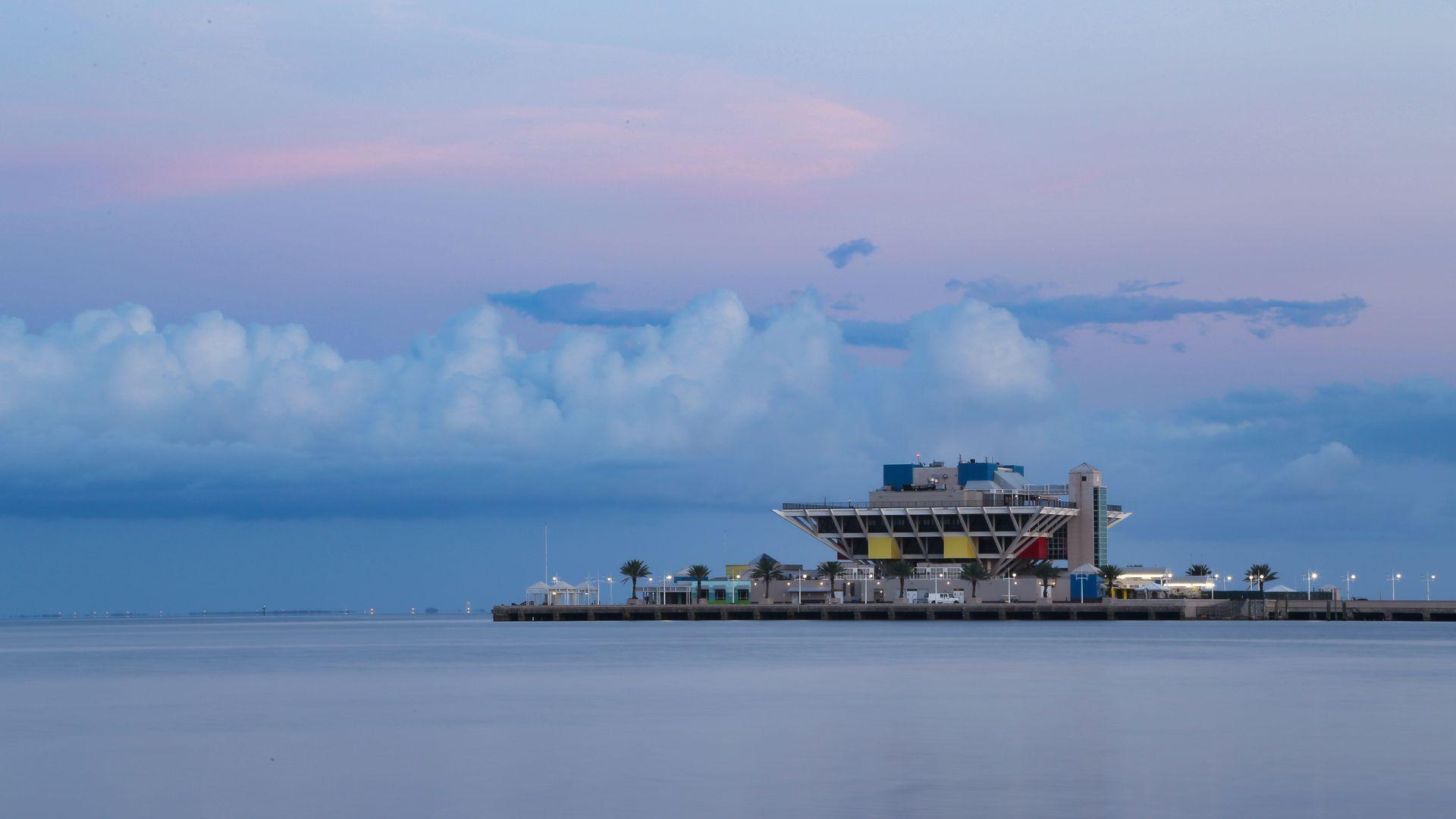
Pinellas
Pinellas County is the most densely populated county in Florida — 937,000 people in 274 square miles between Tampa Bay and the Gulf of Mexico. St. Petersburg has become one of the most celebrated mid-size cities in the US, Clearwater Beach consistently ranks among the country's best, and a condo market unlike any other in the region has emerged post-Surfside. Buyers get beach access, walkable urban neighborhoods, and a distinct coastal identity that inland counties simply cannot replicate.
- Median price
- $405,000
- Tax rate
- 1.1%
- Days on market
- 54
- Cities covered
- 5
Fit check
Should you consider Pinellas?
Pinellas County occupies a narrow peninsula stretching south from Pasco County into the Gulf of Mexico, bounded by Tampa Bay to the east and the Gulf to the west. That geography is everything. The county is one of the most densely developed in Florida — roughly 3,400 people per square mile — and yet its quality of life consistently draws retirees, remote workers, and young professionals who want something coastal, walkable, and distinct from the inland sprawl of metro Tampa. There is no room to build out here in the conventional sense; Pinellas is a built environment, and that scarcity drives its market dynamics as much as its beauty. St. Petersburg, the county's largest city, has undergone a genuine cultural renaissance over the past decade. The waterfront, once quiet industrial land, is now anchored by the new St. Pete Pier, a string of Michelin-recognized restaurants, the Morean Arts Center, and a gallery district that has attracted serious national attention. The Dali Museum and the Museum of Fine Arts put St. Pete on the cultural map years ago; the food and hospitality scene has cemented it as a destination. For buyers, that means a downtown condo or walkable bungalow district market that commands premiums and holds value across cycles. South St. Pete neighborhoods like Coquina Key, Shore Acres, and Tierra Verde are bayfront and island alternatives to the downtown core at differing price points. Clearwater and Clearwater Beach represent the other anchor of the county — the most-visited beach in Florida by most rankings, a robust hotel and resort economy, and a residential market that ranges from modest inland homes to high-end barrier-island condos and single-family. The Clearwater Beach and Sand Key corridor prices at the top of the Pinellas range; buyers here compete on a very thin inventory of genuinely coastal property. North Pinellas — Dunedin, Tarpon Springs, Safety Harbor, Oldsmar — offers an entirely different character: Greek sponge-diving history in Tarpon Springs, the craft-beer and arts identity of Dunedin, and the bayfront park system of Safety Harbor that draws a loyal local following. From an investment perspective, Pinellas is a different calculus than Hillsborough. New construction is scarce. Most of the investment angle here is value-add renovation, condo repositioning, or STR operation in beach-adjacent corridors. The 2022–2025 Florida condo structural safety legislation (post-Surfside SB 4-D) has created genuine pricing pressure on older condo inventory, particularly three-story-and-up buildings near the coast that are working through milestone inspection and reserve-funding requirements. That pressure creates buying opportunities for informed buyers who do proper due diligence — and traps for buyers who skip the structural-report step. Working with an agent who knows which buildings are in compliance and which are still working through the process is not optional here.
Pinellas County suits buyers who want coastal access as a daily reality rather than a weekend drive. It is the right county for buyers who trade suburban square footage and new construction for beach proximity, walkable urban neighborhoods, and a cultural scene more developed than any other county in the Tampa Bay region. The scarcity of buildable land and the density of amenities create a lifestyle that rewards buyers who embrace the condo or older-home market.
On the map
Pinellas County, FL
Pan, zoom, and toggle satellite view to orient yourself before a visit or showing.
Map tiles © Google. For address-level boundary, school zone, or flood-zone questions, contact Ben directly.
Cost to own
What buyers should budget for
Pinellas ownership costs turn sharply on flood zone, wind exposure, condo structural compliance, and which of the 24 municipalities a property sits in. Insurance — particularly flood and windborne-debris — is the most important variable for coastal and barrier-island addresses, not the tax rate.
- Entry single-family
- $300,000
- Typical condo entry
- $175,000
- Luxury threshold
- $1,500,000
- Property tax rate
- 1.1%
- Typical HOA/CDD
- Most Pinellas condos carry monthly HOA fees ranging from $400 to $2,000+; post-Surfside SIRS reserve requirements have pushed many associations to increase dues or issue special assessments. Single-family HOA fees in gated communities run $100–$600/month. CDD districts are rare in Pinellas (few greenfield developments); HOA fees dominate.
- Insurance note
- Flood insurance is a line-item necessity for most Pinellas addresses — particularly barrier islands (evacuation zones A and B), bayfront, and all of southern St. Petersburg. Wind insurance may be separate from your homeowners policy. Request a full insurance quote before writing any offer; costs can swing total monthly payment by $400–$900/month vs. an inland Hillsborough address at the same purchase price.
For condos, request the milestone structural inspection report, SIRS reserve study, and current reserve account balance before closing. Ask whether any special assessment has been levied or voted on. For all properties, request the current tax bill, HOA budget, flood-zone certificate, and a wind mitigation inspection report.
Market snapshot
How the county is moving
As of February 2026, the Pinellas County single-family median sale price is $450,000 (+1.1% year-over-year). The condo and townhome segment posted a striking $360,000 median (+26.5% YoY), driven by luxury condo tower closings in downtown St. Petersburg. Blended county median is approximately $405,000–$413,000. Single-family inventory is at 3.8 months of supply; condo inventory is substantially looser at 8.3 months. Average days on market are in the 50–60 range, up from 45 days a year prior. Well-priced beach-adjacent and downtown St. Pete properties still move quickly; older condo buildings with unresolved milestone inspection or SIRS compliance issues are sitting materially longer. New construction share is very low — estimated under 5% of active inventory — because the county is essentially fully built out. This is a resale and renovation market almost entirely. (Sources: Liane Jamason Real Estate Tampa Bay February 2026 market report, published March 17, 2026; Redfin Pinellas County FL housing market; Price Group Realtors January 2026 outlook.)
- Median sale price
- $405,000
- YoY price change
- 1.1%
- Days on market
- 54
- New construction
- 4%
As of 2026-02-01. Liane Jamason Real Estate Tampa Bay market stats February 2026 (lianejamason.com, published March 17, 2026); Redfin Pinellas County FL housing market March 2026; Price Group Realtors Pinellas County outlook January 2026
Where to look
Cities in Pinellas
Start with the city fit, then narrow into neighborhoods, schools, and new-construction options.
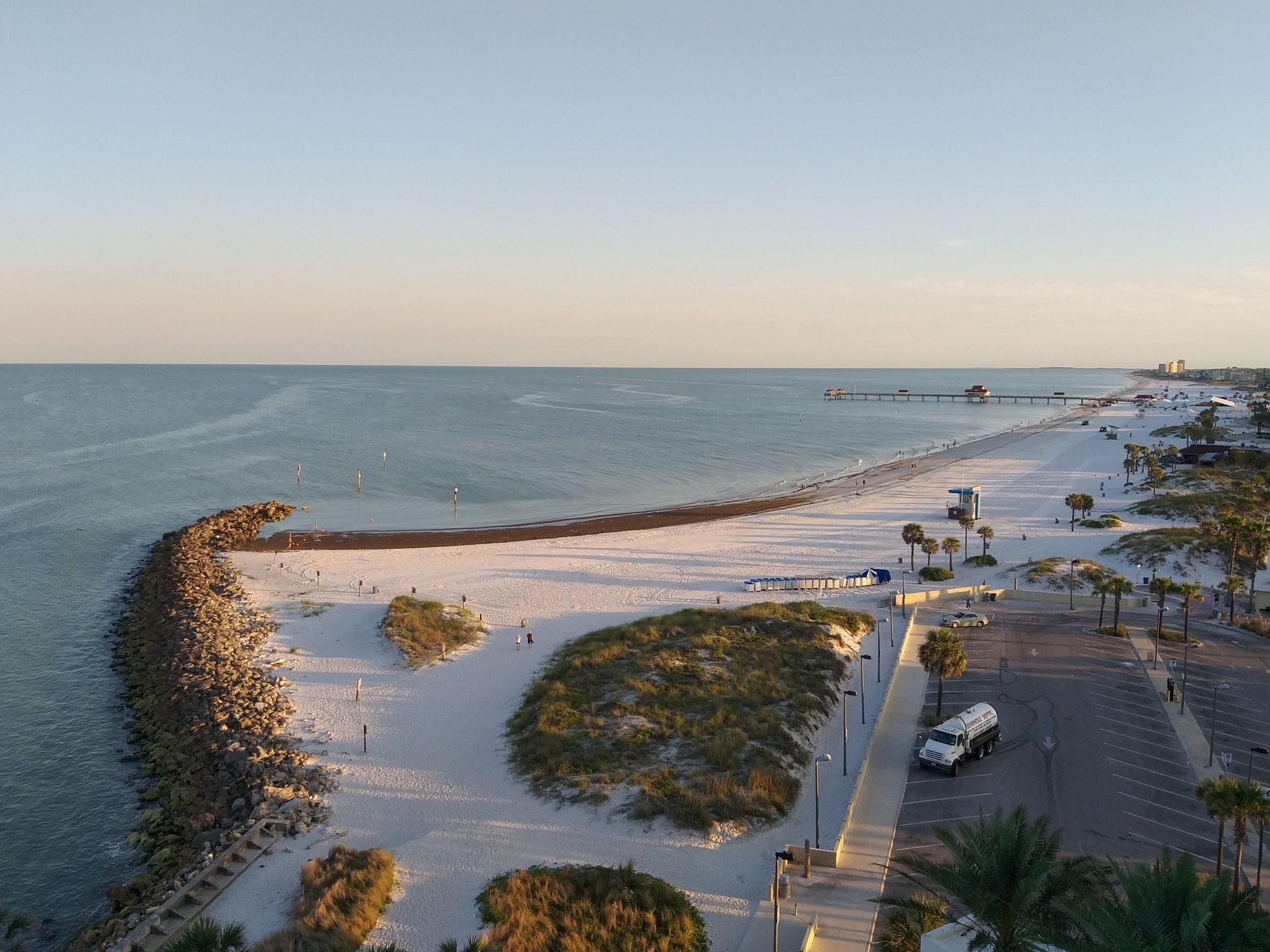
Clearwater
Median $385,000
Clearwater is Pinellas County's Gulf Coast seat — a working waterfront city anchored by one of the world's most consistently top-ranked beaches and a downtown undergoing genuine urban renewal.
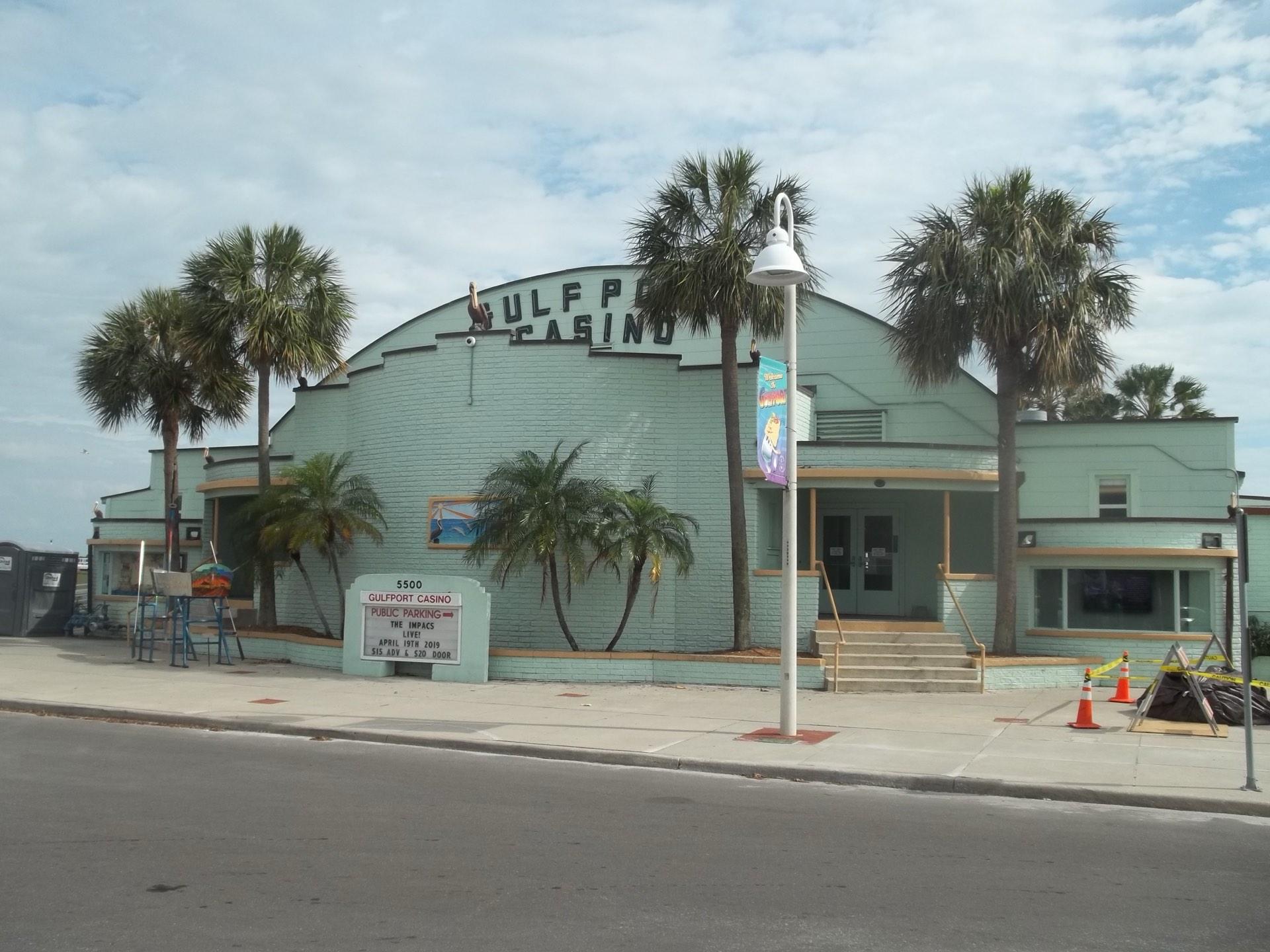
Gulfport
Median $305,000
Gulfport is a walkable, arts-forward waterfront city on Boca Ciega Bay — a distinct, personality-driven community tucked between St. Petersburg and the Gulf beaches.
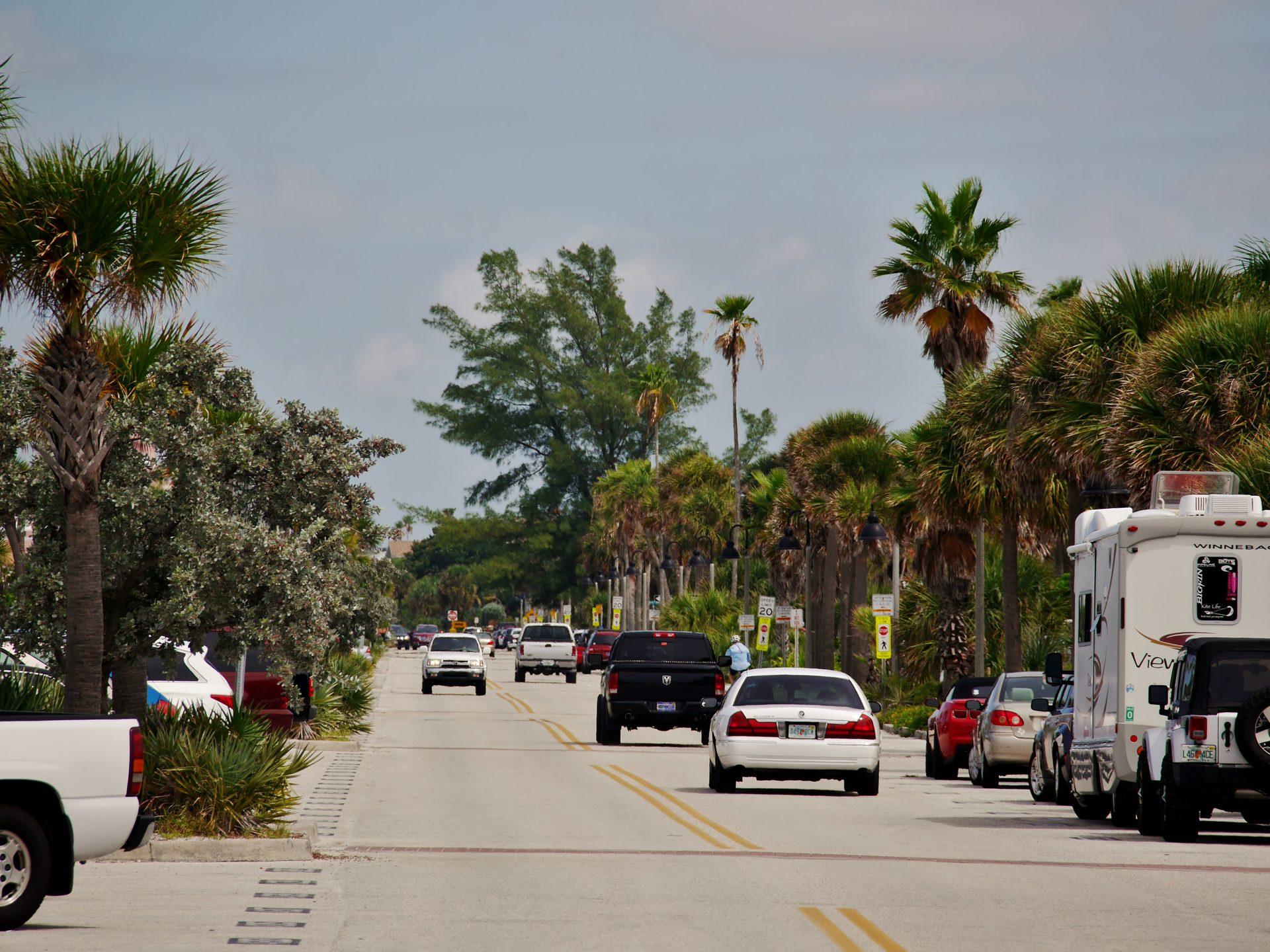
St. Pete Beach
Median $599,000
A compact barrier island city on the Gulf of Mexico where the Don CeSar's pink towers have anchored the shoreline since 1928 — St. Pete Beach trades high-rise sprawl for walkable beach-town blocks, Gulf-front sunsets, and some of Pinellas County's most coveted waterfront addresses.
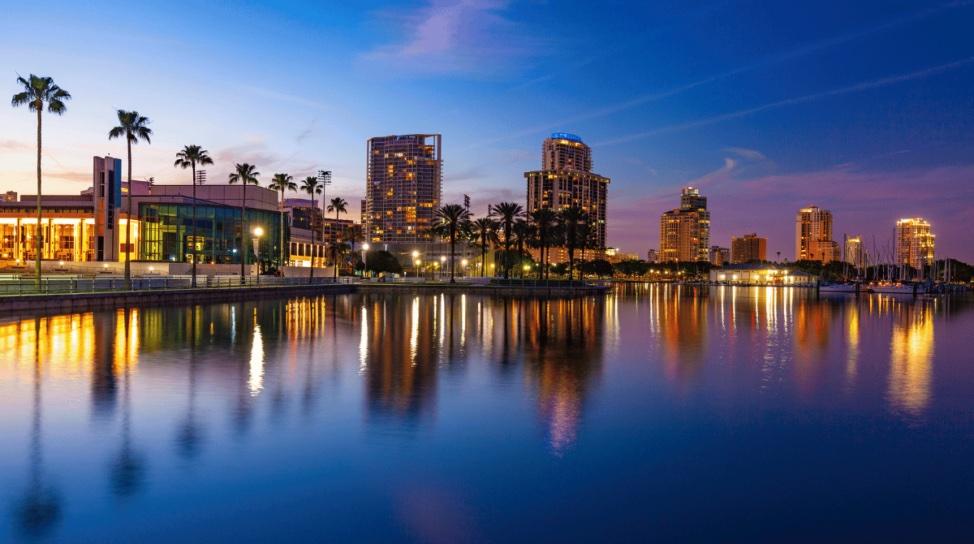
St. Petersburg
Median $390,000
St. Petersburg is Tampa Bay's cultural anchor — a walkable waterfront city where the Salvador Dalí Museum, a revamped 26-acre Pier District, and seven arts districts sit alongside some of Florida's most architecturally distinct neighborhoods.
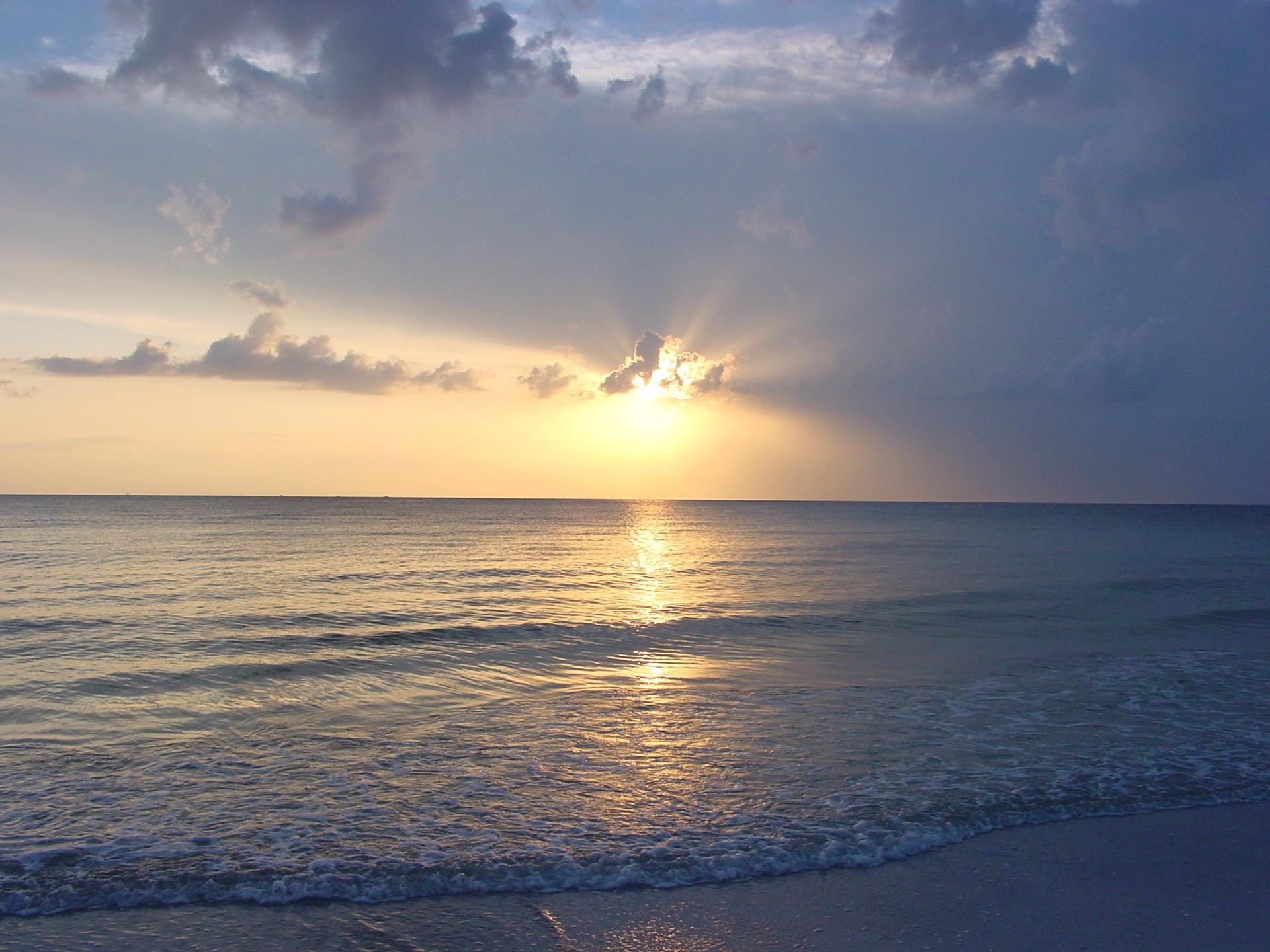
Tierra Verde
Median $1,100,000
A self-contained island enclave at the mouth of Tampa Bay — Tierra Verde trades urban density for waterfront calm, with Fort De Soto Park at your doorstep and open water on every side.
Neighborhoods
Neighborhoods in Pinellas
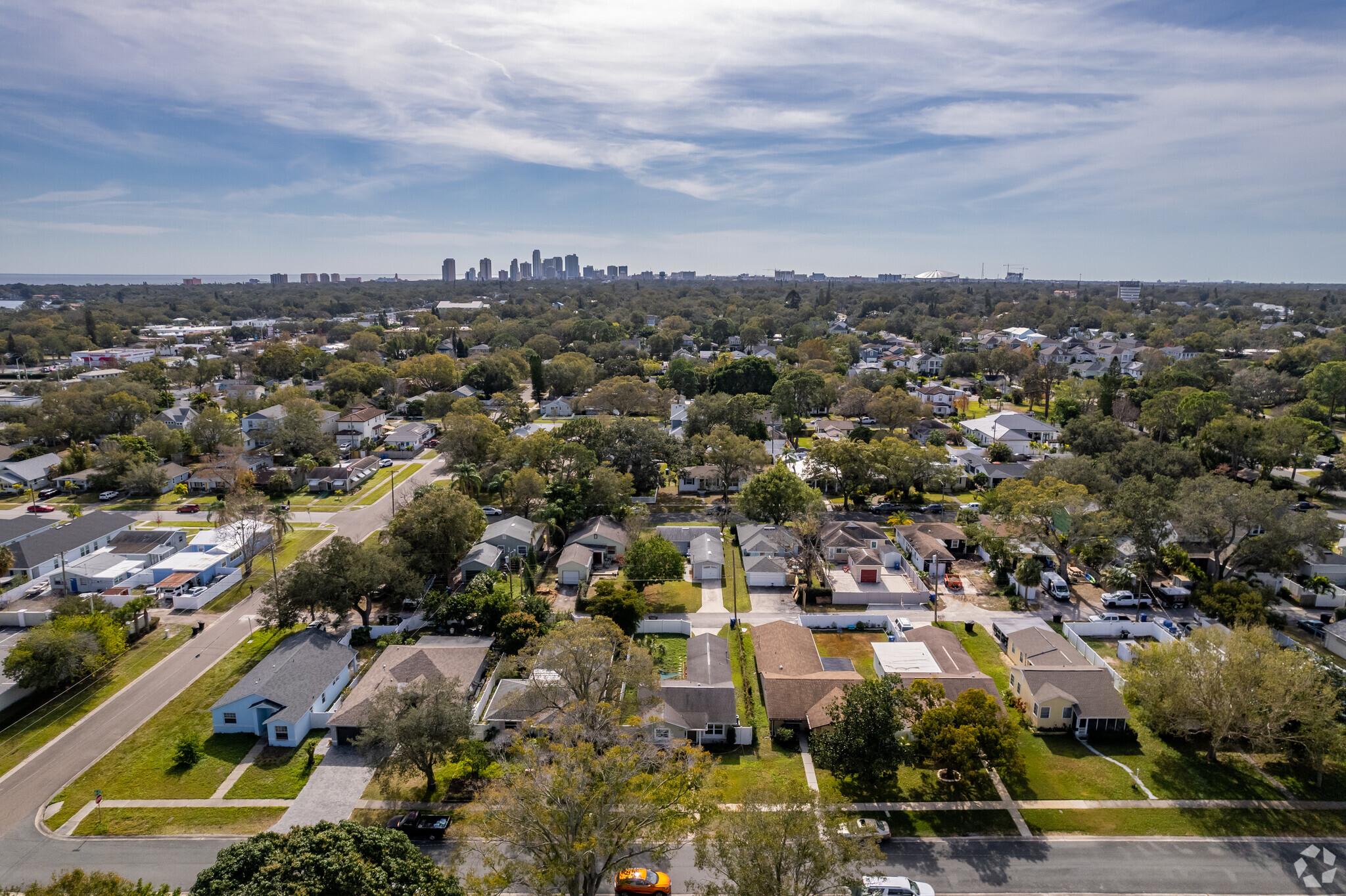
Allendale Terrace
St. Petersburg

Coquina Key
St. Petersburg
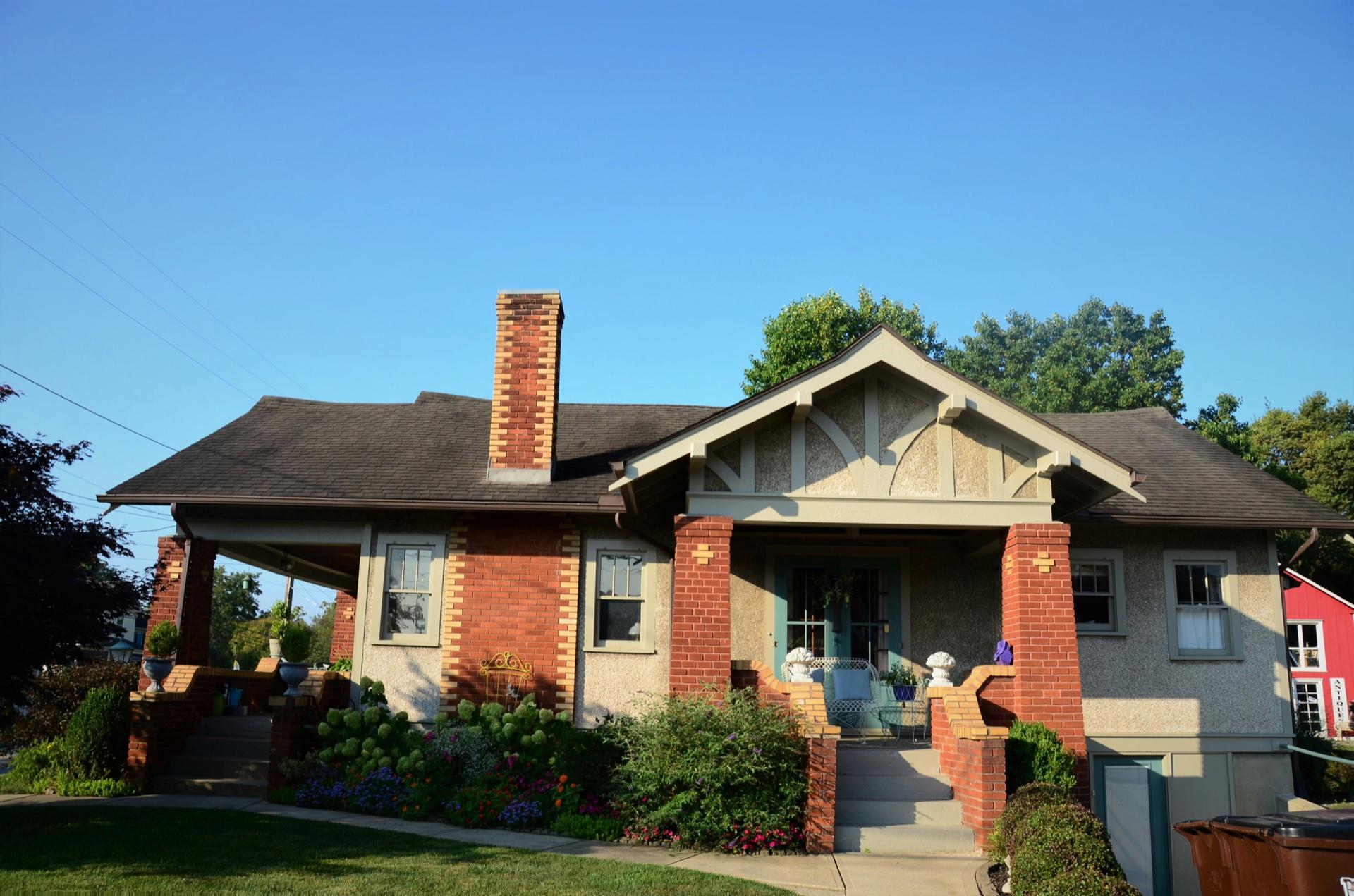
Crescent Lake
St. Petersburg
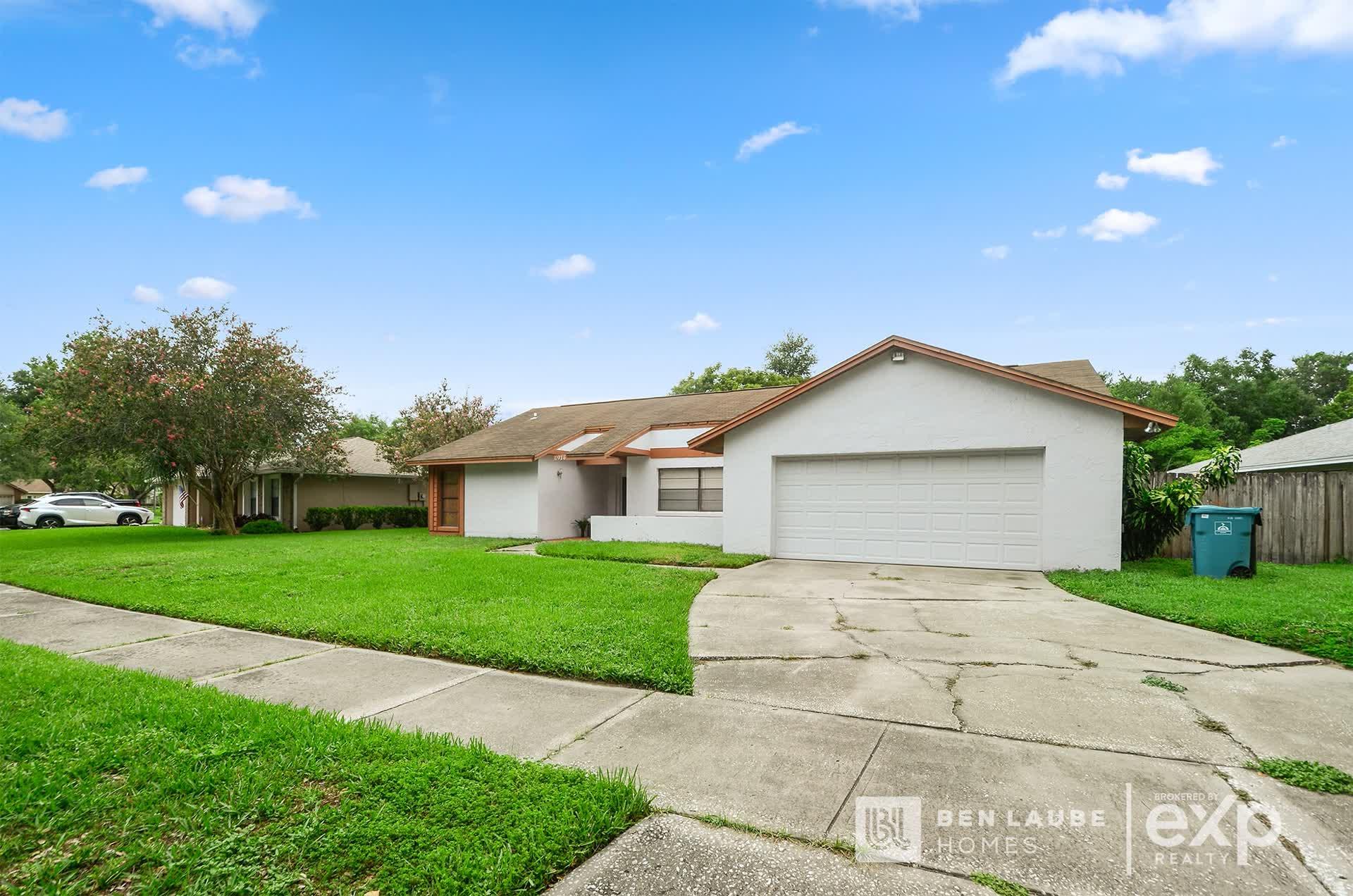
Disston Heights
St. Petersburg

Downtown St. Petersburg
St. Petersburg

Euclid-St. Paul
St. Petersburg
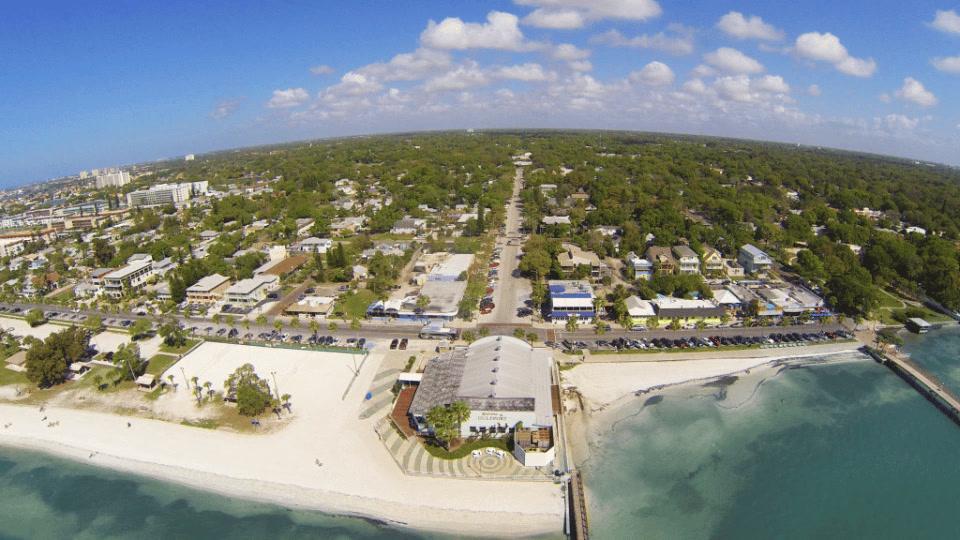
Gulfport
Gulfport
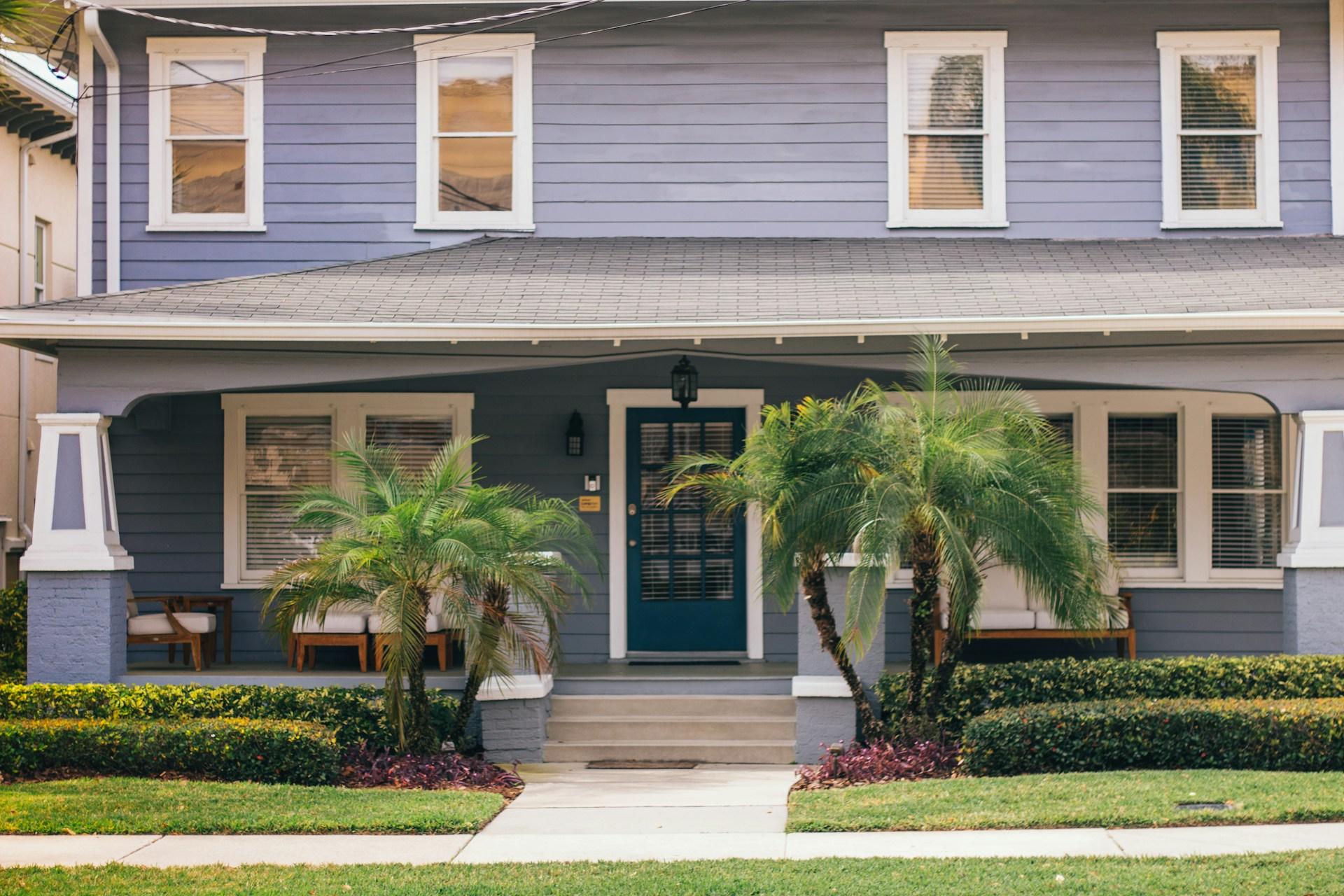
Historic Kenwood
St. Petersburg
Lakewood Estates
St. Petersburg

Old Northeast
St. Petersburg

Pass-a-Grille
St. Pete Beach
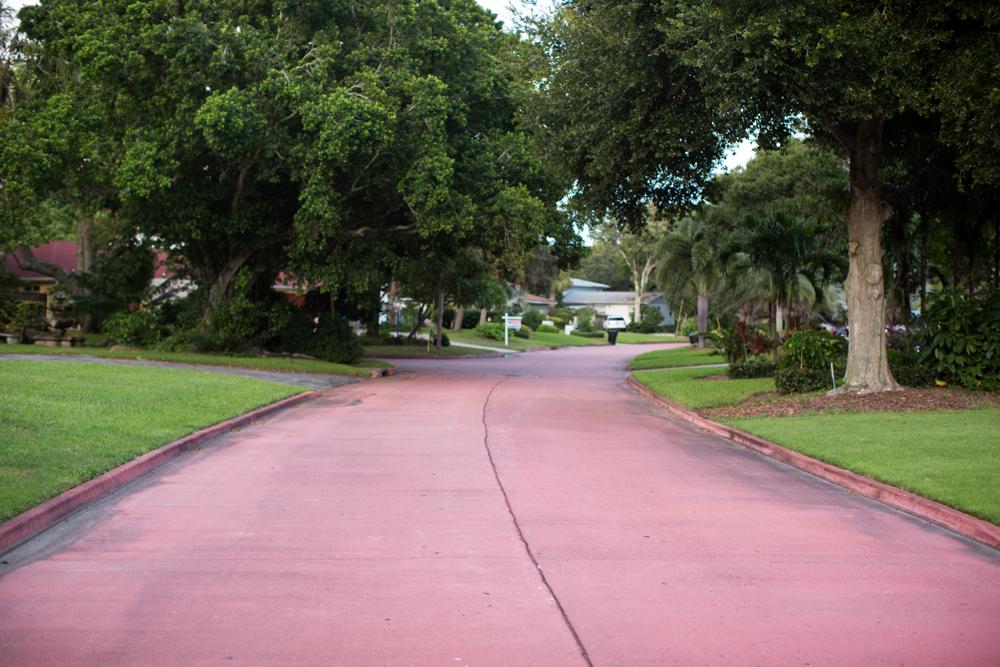
Pink Streets
St. Petersburg

Shore Acres
St. Petersburg

Snell Isle
St. Petersburg
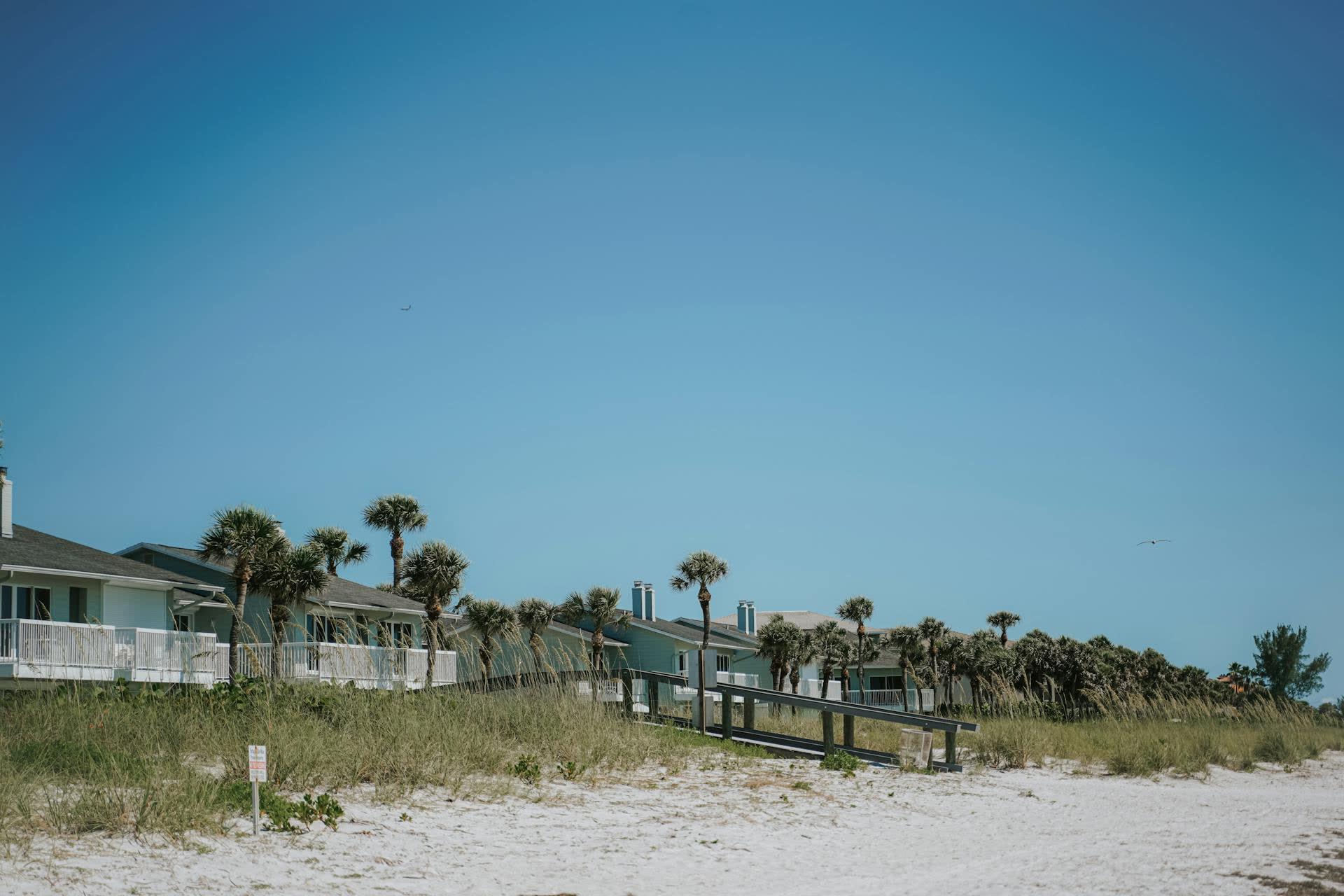
St. Pete Beach
St. Pete Beach
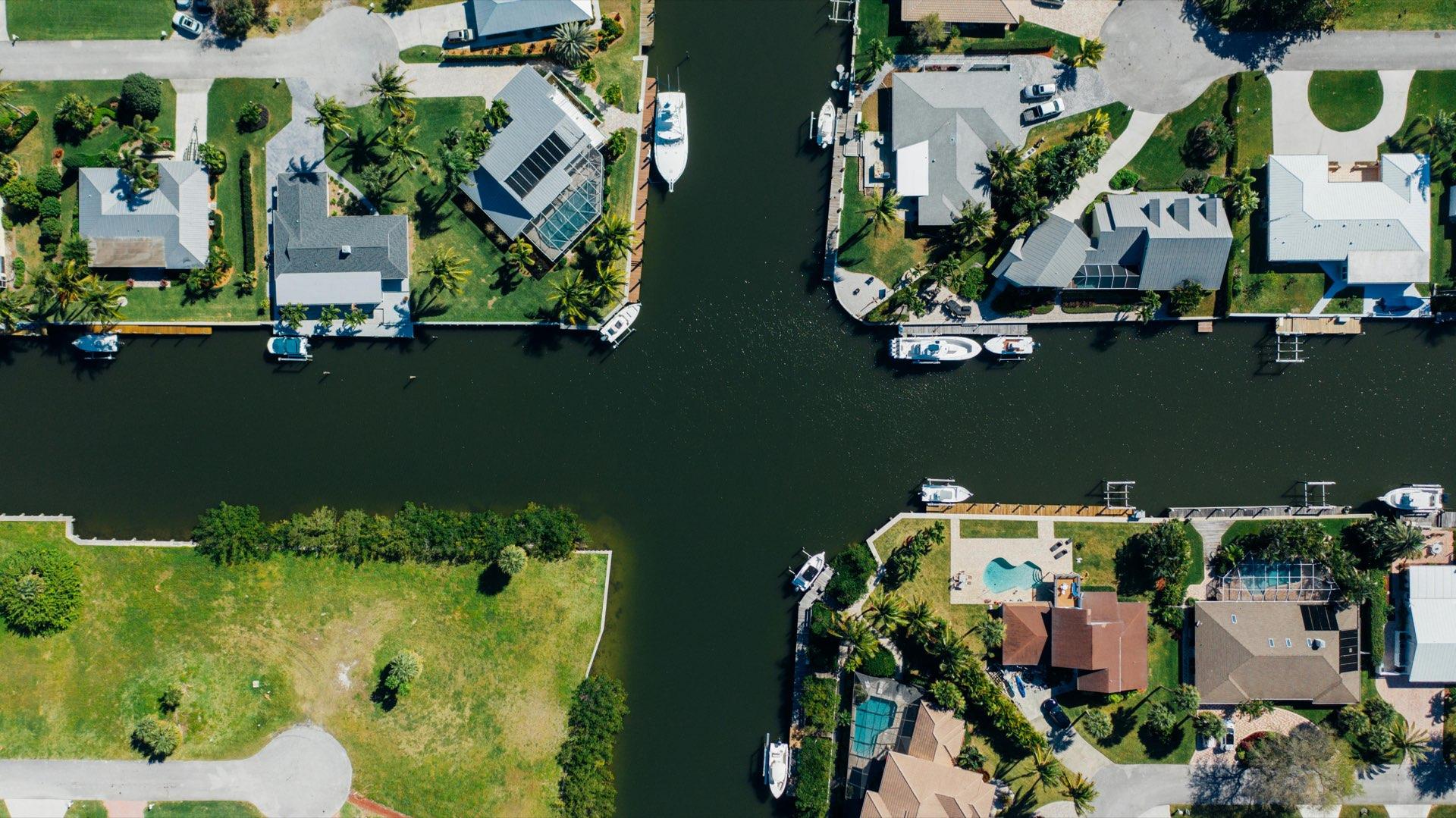
Tierra Verde
Tierra Verde
Showing top 16 of 19 neighborhoods. See all →
Schools
Schools in Pinellas
Pinellas County Schools is the primary district context for these county-level school pages. Always verify address-specific assignment before writing an offer.
| School | City | Level | Rating |
|---|---|---|---|
| Bay Vista Fundamental Elementary School Fundamental Program (application/lottery — district-wide), Gifted/Quest Program, Talented Arts | St. Petersburg | elementary | 8/10 |
| Shore Acres Elementary School Gifted and Talented, PMAC (Performance and Music Arts Club), Art, Music, and Physical Education | St. Petersburg | elementary | 7/10 |
| North Shore Elementary School Gifted & Talented program, ASD (Autism Spectrum Disorder) support services, PreK / VPK early childhood program | St. Petersburg | elementary | 7/10 |
| St. Petersburg High School International Baccalaureate (IB) Diploma Programme — Florida's first, Pre-IB Programme (grades 9–10), Advanced Placement (AP) | St. Petersburg | high | 6/10 |
| Maximo Elementary School Gifted and Talented Education, Title I Enhanced Learning, Extended Learning Program (reading and math) | St. Petersburg | elementary | 5/10 |
| Woodlawn Elementary School Gifted & Talented, Title I services, ESE (Exceptional Student Education) | St. Petersburg | elementary | 5/10 |
| Lakewood High School Center for Advanced Technologies (CAT) Magnet, CJAM — Journalism & Academy of Medicine, AMSET — Academy for Marine Science | St. Petersburg | high | 4/10 |
| John Hopkins Middle School Center for the Arts (dance, theatre, band, orchestra, piano, vocal, visual arts), Center for Communications, Journalism & Multimedia (newspaper, photography, video production, podcasting), Center for Gifted Studies (gifted services integrated with arts instruction) | St. Petersburg | middle | 4/10 |
| Perkins Elementary Center for Arts & International Studies (countywide magnet), Dance, Music — Suzuki violin, strings, band, keyboard | St. Petersburg | elementary | 4/10 |
| Boca Ciega High School Center for Wellness and Medical Professions Magnet (CWMP), Cambridge AICE Diploma Programme, Advanced Placement (AP) | Gulfport | high | 3/10 |
| Lakewood Elementary School Center for Creative Arts, Health & Wellness (magnet), Gifted & Talented, STEM / Makers Space | St. Petersburg | elementary | 3/10 |
| Meadowlawn Middle School AVID (Advancement via Individual Determination), Gifted education, Extended Learning Program (ELP) | St. Petersburg | middle | 3/10 |
| Mount Vernon Elementary School Gifted Education Program, PBIS Model School (Positive Behavior Intervention System), PCS Connects 1:1 Laptop Initiative | St. Petersburg | elementary | 3/10 |
| Gibbs High School Pinellas County Center for the Arts (PCCA), Business, Entrepreneurial, Technology Academy (BETA), Advanced Placement (AP) | St. Petersburg | high | 3/10 |
55+ living
55+ communities in Pinellas
- On Top of the World Clearwater
Clearwater
Commute and lifestyle
How daily life works here
Pinellas commutes are shaped by two constraints: bridge crossings to Tampa and the narrow peninsula geography that funnels east-west traffic. The Howard Frankland Bridge (I-275), the Gandy Bridge, and the Courtney Campbell Causeway are the three crossings to Tampa; all are congested at peak hours. Internal Pinellas commutes on US-19 and SR-686 (Roosevelt Blvd) are manageable by Florida standards.
- Downtown St. Petersburg and the innovation district for tech, financial services, and medical employment
- Clearwater and the US-19 corridor for Honeywell, Jabil, TD Synnex, and tech manufacturing
- Gateway and Carillon Park (northeast Pinellas) for corporate office and distribution employment
- Tampa via Howard Frankland Bridge (I-275) or Gandy Bridge for buyers who work in Hillsborough but want Pinellas lifestyle
- St. Pete-Clearwater International Airport (PIE) and Gateway area for aviation, logistics, and low-cost carrier employment
- USFSP (University of South Florida St. Petersburg) and Johns Hopkins All Children's Hospital for academic and pediatric healthcare
Watch before buying
Local gotchas
The most consequential buyer mistakes in Pinellas are skipping condo structural due diligence, underestimating insurance costs, purchasing for STR without verifying municipal ordinances, and ignoring hurricane evacuation zone designations for barrier-island properties.
- Post-Surfside Florida SB 4-D milestone inspection and SIRS reserve requirements apply to condos three stories and older — request the latest structural report and reserve study before making any condo offer.
- Flood zone exposure is nearly countywide; hurricane evacuation zones A and B cover a significant portion of Pinellas. Verify flood insurance costs early, particularly for barrier-island and bayfront properties.
- STR regulations in Pinellas vary by municipality — unincorporated county requires a Certificate of Use ($450/yr); St. Petersburg, Clearwater, and other cities each have separate ordinances that range from permissive to restrictive.
- Pinellas has almost no room for new single-family construction; most of the county is built out. Buyers seeking new construction will find far fewer options than in Hillsborough, Pasco, or Hernando.
Official pages
County resources
- County government
Official county website
- Property appraiser
Parcel records, assessed value, and exemptions
- Tax collector
Tax bills, registrations, and payment portals
- Building department
Permits, inspections, and building resources
- Permit search
Permit lookup before buying or selling
- Flood map
Flood-zone and insurance-risk research
- Pinellas County Government
Official county website for residents, permits, services, and government information.
- Board of County Commissioners
Commissioner roster, meeting schedules, agendas, and board contacts.
Leadership
County leadership
- Dave Eggers
Chair, Board of County Commissioners / District 4
- Chris Latvala
Vice Chair, Board of County Commissioners / District 5
- Chris Scherer
County Commissioner / District 1 (At-Large)
- Brian Scott
County Commissioner / District 2 (At-Large)
- Vince Nowicki
County Commissioner / District 3 (At-Large)
- Kathleen Peters
County Commissioner / District 6
- René Flowers
County Commissioner / District 7
Events
Upcoming county events
- Joint Board of County Commissioners Regional Roundtable — Pinellas/Hillsborough/Pasco
Jun 5, 2026 / Pinellas County, FL
Pinellas County 2026 BCC meeting schedule
- Board of County Commissioners Budget Information Session
Jun 9, 2026 / Pinellas County Commission Chambers, Clearwater
Pinellas County 2026 BCC meeting schedule
News and guides
Recent writing about Pinellas

St. Petersburg Waterfront Neighborhoods: A Neighborhood-by-Neighborhood Guide
St. Pete has more distinct waterfront neighborhoods than any city in Tampa Bay — and they are not interchangeable. Flood exposure, boat access, price, and architecture vary sharply from one street to the next. Here is the honest breakdown across 11 neighborhoods.

Mold and Water Damage Disclosure in Florida Real Estate
Florida has no stand-alone mold disclosure statute — but sellers are still legally required to disclose known mold and water damage under Johnson v. Davis (1985). Here is what that means for sellers filling out the FAR/BAR disclosure form, and what buyers should order before they close.

Buying a Waterfront Home in Florida: What to Check Before You Fall in Love
Waterfront is 20% of the price of a home. Before you make an offer, you need to know who owns the seawall, whether the dock permits are current, and what your flood insurance will cost — because these numbers move fast in Florida.

Florida HOA 101: What You're Really Paying For (and the CDD Trap)
HOA fees are Florida's biggest surprise for out-of-state buyers — but CDDs are the trap most never see coming. Here's exactly what you're paying for, what typical ranges look like in Tampa Bay and Central FL, and how to spot a CDD before you make an offer.
FAQ
County questions
What cities are in Pinellas County?
Pinellas County has 24 incorporated municipalities. The major ones are St. Petersburg (the largest city), Clearwater (the county seat), Largo, Pinellas Park, Dunedin, Tarpon Springs, Safety Harbor, Gulfport, St. Pete Beach, Treasure Island, Belleair, Oldsmar, and Seminole. Barrier-island and beach communities include Indian Rocks Beach, Madeira Beach, Redington Beach, and North Redington Beach.
What is Pinellas County's property tax rate?
The effective all-in property tax rate in Pinellas County is approximately 1.05% of assessed value, though the exact millage varies by municipality and taxing district. The county-wide general fund millage is 4.6136 mills (county portion only); city, school, and district millages stack on top. Florida's homestead exemption reduces assessed value by up to $50,000 for primary residences, and the Save Our Homes cap limits annual assessment increases to 3% for homestead properties. (Source: pinellastaxcollector.gov 2025 millage table.)
How does Pinellas County compare to Hillsborough County for real estate?
Pinellas is more coastal, more dense, and has far less new construction than Hillsborough. The Pinellas single-family median ($450K) runs above Hillsborough ($390K), and condos are a much larger share of the Pinellas market. Pinellas buyers get beach access, walkable neighborhoods, and a distinct cultural identity; Hillsborough buyers get more inventory, more new construction, and suburban range from urban Tampa to rural acreage. Insurance and flood costs are materially higher in Pinellas for coastal addresses. The choice usually comes down to lifestyle: beach-adjacent coastal living vs. Tampa metro range and new-construction options.
Should I buy a condo in Pinellas County right now?
Pinellas condos require extra due diligence in 2025-2026 because of Florida's post-Surfside condo structural safety laws (SB 4-D). All buildings three stories and taller must complete milestone structural inspections and Structural Integrity Reserve Studies (SIRS) by December 31, 2025. Buildings behind on compliance are facing special assessments or reduced buyer financing eligibility. Request the milestone inspection report, the SIRS, and the reserve account balance before any offer. Well-maintained buildings in compliance offer excellent coastal buying opportunities — Pinellas has entry-level condo prices unavailable in any other Gulf Coast county.
What are the best neighborhoods in Pinellas County?
For urban walkability and arts: downtown St. Petersburg, Kenwood Historic District, and the Grand Central District. For waterfront and island character: Shore Acres, Coquina Key, Tierra Verde, and Pass-a-Grille. For beach lifestyle: Clearwater Beach, Sand Key, St. Pete Beach, and Treasure Island. For small-town Florida: Dunedin, Tarpon Springs, and Safety Harbor. For families and schools: Safety Harbor, Dunedin, and north Clearwater. Reach out to Ben for a neighborhood match to your specific priorities.
What should buyers verify before purchasing in Pinellas County?
For condos: request the milestone structural inspection report, SIRS reserve study, and current reserve account balance — non-negotiable in the post-Surfside era. For all properties: verify flood zone and hurricane evacuation zone, obtain an insurance quote early (flood and wind are separate policies), confirm school zone via pcsb.org, and review permit history through the SmartGov portal. For STR investment: confirm both county unincorporated ordinance and the specific municipal code before underwriting any rental income projection.
Thinking about a home in Pinellas?
I work across all of Pinellas. Send your budget, commute, school, or lifestyle priorities and I'll help you narrow the map.