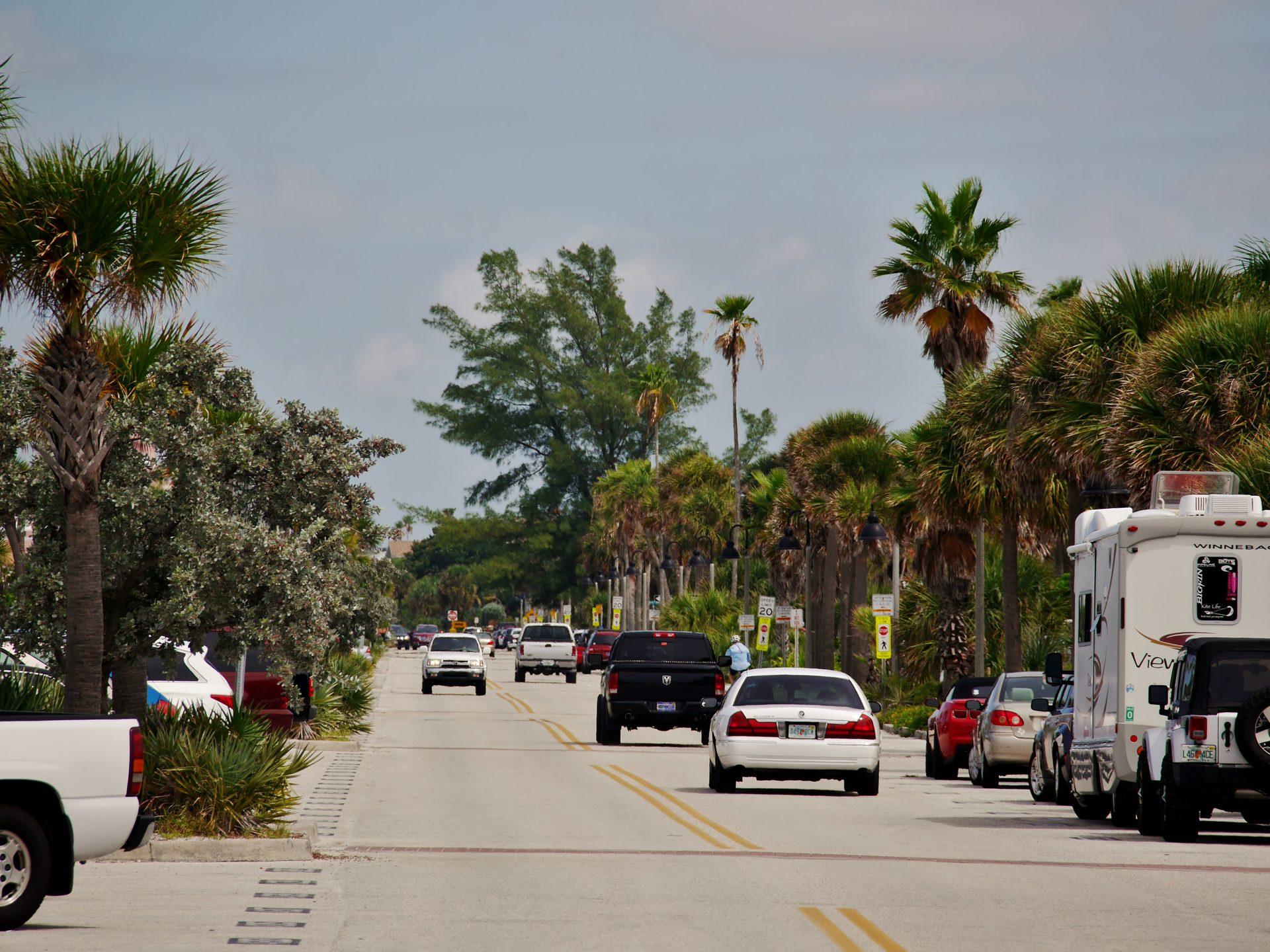
St. Pete Beach sits on Long Key, a narrow barrier island that separates the Gulf of Mexico from Boca Ciega Bay. The city measures barely four square miles, which means every neighborhood is within walking distance of either white-quartz sand or calm bay water — a geographic reality that shapes both the lifestyle and the price floor here. What distinguishes St. Pete Beach from the broader Tampa Bay metro is its deliberate smallness. There are no high-rise condo towers choking the skyline. The tallest thing on the island is the Don CeSar, the flamingo-pink resort Thomas Rowe opened in 1928, which has stood on the same dunes through hurricanes, a stint as a WWII Army hospital, and a full historic restoration that placed it on the National Register of Historic Places. The hotel is not just a landmark — it is the aesthetic anchor the whole island organizes around. Residential streets run in a tight grid between the Gulf and the bay. Single-family homes dominate the older blocks: concrete-block Florida ranch houses from the 1950s and 1960s, updated over the decades with new roofs, impact windows, and coastal kitchens. Newer construction is scattered throughout — mainly custom infill on cleared lots and a handful of townhome projects — but density stays low. This island does not sprawl. The year-round population skews older (median age above 60), but the rental market — particularly for short-term Gulf-front units — draws a constant rotation of visitors and seasonal residents who raise activity levels from October through April. If you buy here, your neighbors are a mix of long-term owners who have held for decades and investors who run vacation rentals on Gulf-front rows. We work this market closely because its tight lot supply and Gulf-front premium demand local knowledge. A 100-foot-wide lot two blocks from the water can vary $200,000 in value depending on elevation, flood zone designation, and whether a seawall is deeded to the property. We track those details so you do not have to learn them at closing.
Market context
St. Pete Beach operates as a high-premium coastal enclave with limited new supply. Redfin reported a median sale price near $599K in early 2026 — down from the post-pandemic highs but still well above Pinellas County's broader median. Homes are sitting longer than in 2022–2023, averaging over 80 days on market versus 45 days a year prior, which gives buyers more leverage than this market has offered in years. The inventory squeeze is structural: the island is built out. There are no large parcels left for subdivision-scale development. What trades is existing homes, Gulf-front condos, and the occasional infill lot. Flood zone designation is the most important due-diligence item in any St. Pete Beach transaction. The vast majority of the island sits in FEMA Zone AE or VE, which mandates flood insurance. Elevation certificates, FEMA Letter of Map Amendment eligibility, and whether the prior owner carried a grandfathered NFIP policy can shift the annual carrying cost of a home by thousands of dollars. We pull elevation certs early in every search.
Neighborhoods
Neighborhoods in St. Pete Beach

Pass-a-Grille
Pass-a-Grille is a National Historic District at the southern tip of St. Pete Beach — a narrow Gulf-front peninsula of wood-frame cottages, an 8th Avenue main street, and no condo towers, settled since 1886 and looking largely like it always has.
St. Pete Beach
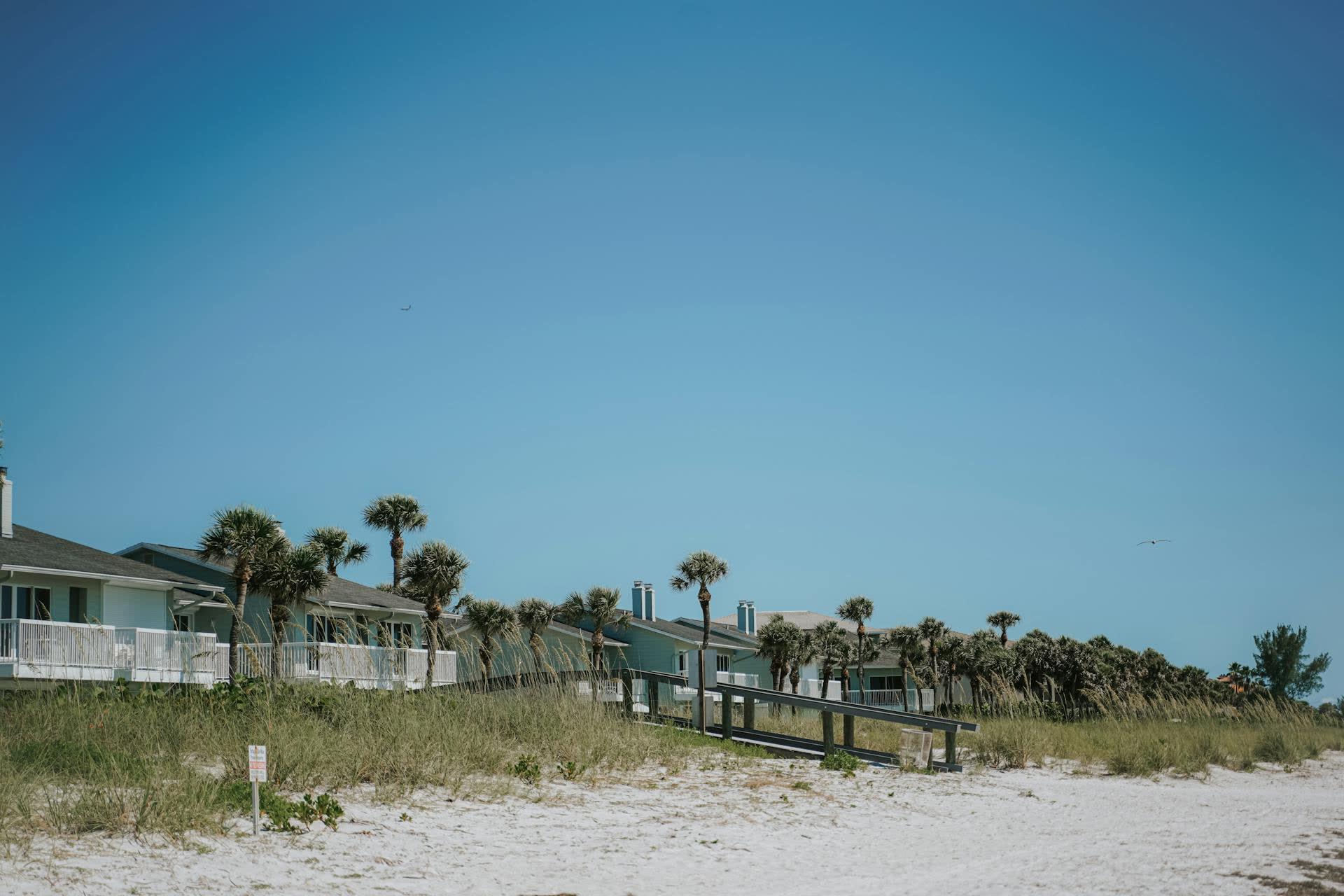
St. Pete Beach is a Gulf-front barrier island city in Pinellas County — home to the Don CeSar, Corey Avenue, and seven miles of white sand beach shared between beach condos, midcentury single-family homes, and one of the best-known resort corridors on Florida's Gulf Coast.
Where St. Pete Beach is
St. Pete Beach, FL
Thinking about a home in St. Pete Beach?
Tell me what you're looking for and I'll send a tailored list — schools, flood zones, market timing, the stuff that matters in St. Pete Beach.