
— Community Guide
Pass-a-Grille
St. Pete Beach, FL
“Pass-a-Grille is a National Historic District at the southern tip of St. Pete Beach — a narrow Gulf-front peninsula of wood-frame cottages, an 8th Avenue main street, and no condo towers, settled since 1886 and looking largely like it always has.”
Historic · Gulf-front · walkable village · no high-rises
What locals love
- National Register of Historic Places district — first listed 1989, expanded 2003 to 356 contributing buildings
- No high-rise condos — zoning has preserved the low-rise historic cottage character
- Walkable 8th Avenue corridor with boutiques, restaurants, and the 1917 Gulf Beaches Historical Museum
- Gulf-direct beach access with no tower shadows — one of the last stretches of Gulf Coast developed at this scale
- Shell Key Preserve accessible by kayak or water taxi from the Pass-a-Grille marina
A brief history
Spanish explorer Panfilo de Narvaez first passed through in 1528, and the name most likely derives from "Passe aux Grilleurs" — French for where fishermen camped to grill their catch. Zephaniah Phillips became the first permanent homesteader in 1886; the first hotel opened around 1901. Pass-a-Grille was the first incorporated town on Pinellas County's barrier islands before merging into St. Petersburg Beach in 1957. The historic district was listed on the National Register of Historic Places in 1989 and expanded in 2003 to encompass 356 contributing buildings and sites dating from the late 19th century through 1957.
The housing mix
Housing is almost entirely pre-1940 wood-frame vernacular cottages elevated on raised brick pier foundations — gabled roofs, weatherboard siding, shotgun-style layouts built for coastal air circulation. Lot sizes are small given the peninsula constraints, but the Gulf- and bay-front positions command significant premiums. Prices range from around $700K for a smaller updated cottage to multi-million-dollar Gulf-front estates; the broader working-market range runs $1–1.5M for well-maintained historic SFRs. There are no condo towers and a handful of small boutique condo buildings at the northern end of the district.
Who lives here
Pass-a-Grille's roughly 900 permanent residents are primarily retirees and semi-retirees from the Northeast and Midwest who want Gulf-front beach access in a quiet, genuinely walkable small town — not a high-rise complex. Second-home buyers from out of state use properties as seasonal retreats or short-term rentals. Remote-working couples and individuals drawn to the irreplaceable low-rise character make up a growing share. The common denominator is buyers who have ruled out St. Pete proper, Clearwater Beach towers, and Siesta Key congestion in favor of a slower pace and a historic streetscape that can't be rebuilt.
Landmarks & things to do
- Gulf Beaches Historical Museum — 10th Avenue in the 1917 wood-frame church building, covers barrier island history from Native American habitation through resort era
- 8th Avenue main street — walkable corridor of boutiques, galleries, and casual dining within a few blocks
- The Seahorse Restaurant — founded 1937, a Pass-a-Grille institution for classic Florida diner breakfast and lunch
- The Hurricane Seafood Restaurant — 809 Gulf Way, rooftop bar with Gulf views and a long history on the peninsula
- Don CeSar Resort ("The Pink Palace") — 1928 Mediterranean Revival resort at the Pass-a-Grille / St. Pete Beach boundary with Gulf-front dining
- Shell Key Preserve — uninhabited barrier island accessible by kayak or water taxi for birding, shelling, and undisturbed Gulf beach
- Merry Pier — public fishing pier and boat launch at the bay end of 1st Avenue, the working waterfront of the neighborhood
- Miss Pass-a-Grille fishing charters — half- and full-day offshore and inshore trips departing from the marina
Schools in the area
Detailed school zone + rating pages are rolling out progressively. Ask Ben about school-zoned home searches in Pass-a-Grille — he'll pull the exact attendance map and closed-sale data for each feeder pattern.
Frequently asked about Pass-a-Grille
What is Pass-a-Grille and where does the name come from?
Pass-a-Grille is a small historic beach community at the southern tip of St. Pete Beach, Florida — a narrow Gulf-and-Boca-Ciega-Bay peninsula of around 900 residents. The name most likely derives from "Passe aux Grilleurs," a French phrase referring to the practice of French fishermen who camped here to grill their catch while traveling the coast. It is one of the oldest settled communities on Florida's Gulf Coast, with its first permanent homesteader arriving in 1886, and has been a National Register Historic District since 1989.
Do Pass-a-Grille homes require flood insurance?
Yes — Pass-a-Grille sits in FEMA Zone VE, the highest-risk coastal category (coastal high-hazard with wave action). Virtually all properties with a federally-backed mortgage are required to carry flood insurance. Zone VE premiums routinely exceed $3,000 per year without an Elevation Certificate; homes elevated on historic brick pier foundations may qualify for reduced premiums depending on the Certificate's finished floor elevation. Budget flood insurance as a real and significant cost of ownership, not an optional add-on. Request the current Elevation Certificate from the seller before making an offer.
What schools serve Pass-a-Grille?
Pass-a-Grille is within Pinellas County Schools. Zoned schools for St. Pete Beach addresses are Azalea Elementary, Azalea Middle or Madeira Beach Middle (confirm the exact middle school zone at pcsb.org/zone for a specific address), and Boca Ciega High School. There are no schools on the Pass-a-Grille peninsula itself — all students commute across the causeway to the mainland. Confirm the current zone for any specific address before relying on school assignment for a purchase decision.
What is the Pass-a-Grille real estate market like?
Pass-a-Grille is a thin market — the housing stock is small (roughly 465 households in the historic district) and inventory rarely exceeds 15 active listings. Median prices in the broader working-market range run approximately $1–1.5M for historic SFRs, with Gulf-front properties reaching several million. Days on market are longer than hot urban neighborhoods — typically 60–90 days — reflecting the buyer pool and insurance cost reality. Post-hurricane-season insurance availability tightening has added headwinds for buyers requiring conventional financing; cash transactions are more common here than the regional average.
How does Pass-a-Grille compare to Treasure Island or Clearwater Beach?
Pass-a-Grille is significantly smaller and more historically intact than either. Clearwater Beach is a full resort tourism infrastructure — hotels, towers, and heavy traffic. Treasure Island has a mix of condo buildings and single-family Gulf-front homes with more inventory and lower price floors. Pass-a-Grille has no high-rise development, a designated historic streetscape, and a year-round population of under 1,000 — closer in feel to a New England coastal village than a Florida resort strip. Buyers who choose Pass-a-Grille are usually specifically ruling out the tower-centric alternatives.
Nearby
Other communities you might like
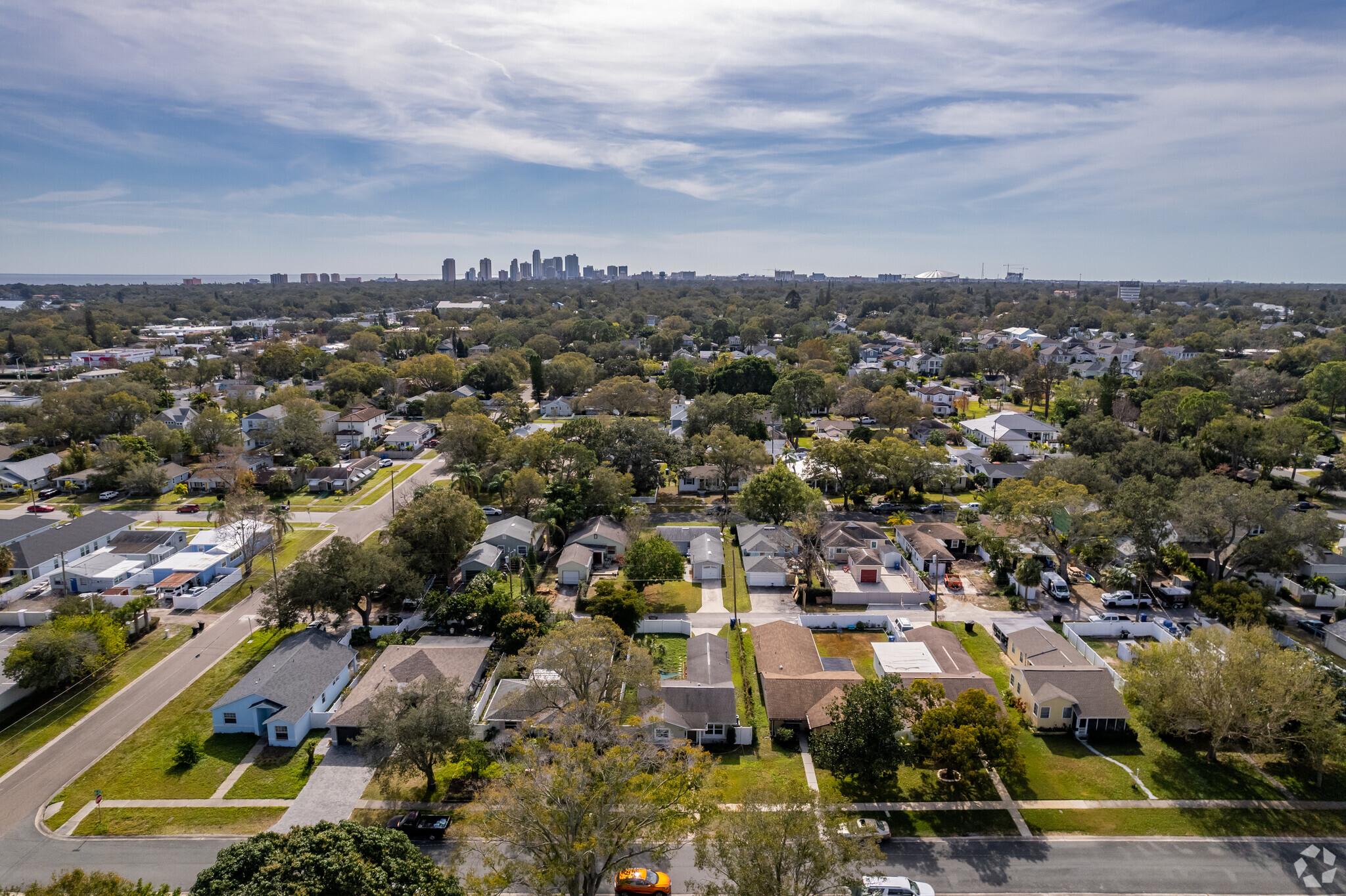
Allendale Terrace
St. Petersburg
Cobblestone brick streets, estate-scale lots, and 1920s Mediterranean and Tudor homes on high ground north of Crescent Lake.

Coquina Key
St. Petersburg
A man-made island 3 miles south of downtown St. Pete — canals, private boat docks, and Tampa Bay access at prices that still make waterfront living attainable.
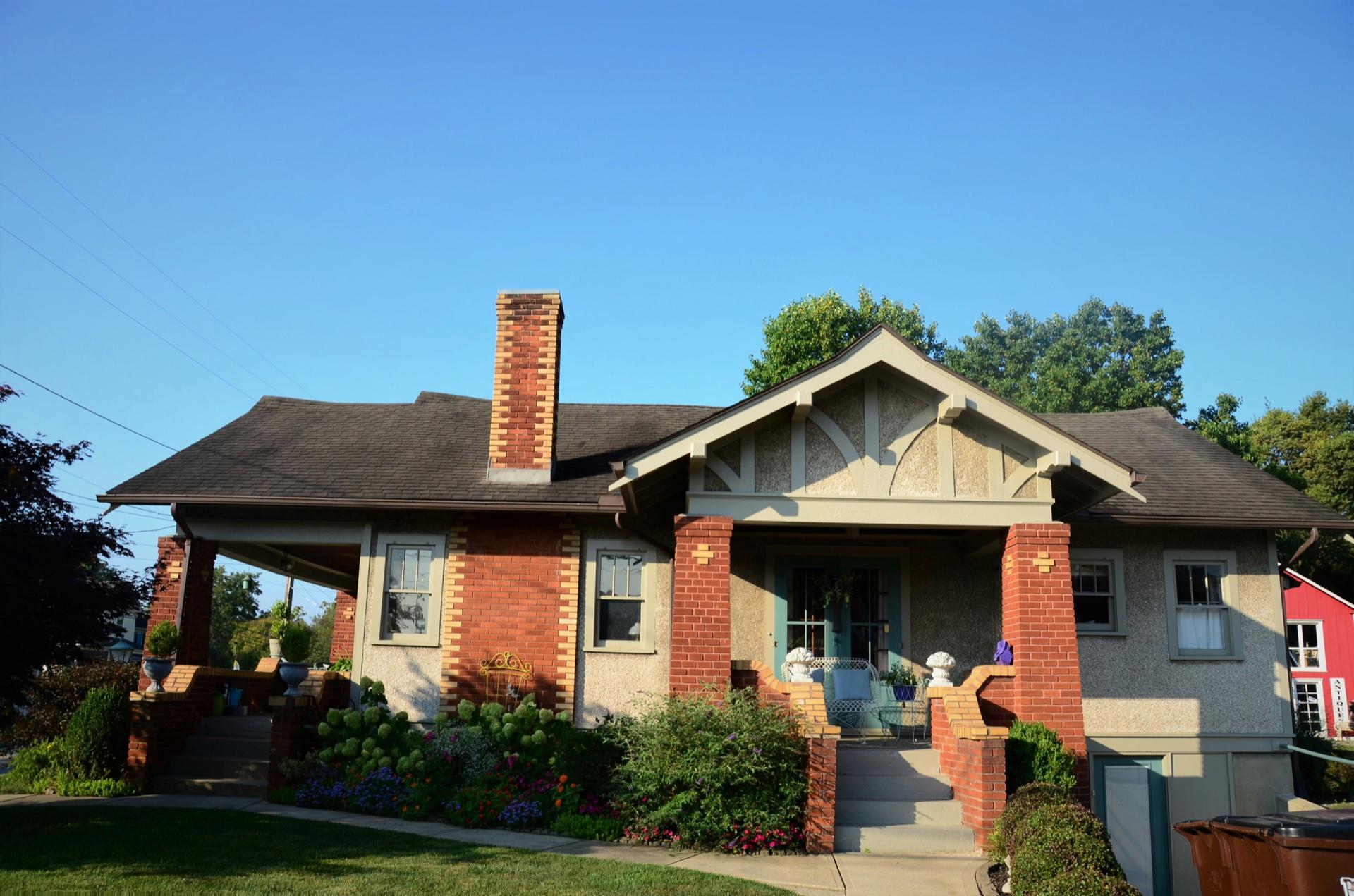
Crescent Lake
St. Petersburg
A historic neighborhood ringing a 54-acre park lake less than a mile from downtown -- where Babe Ruth took spring training, and Craftsman porches still face tree-lined streets out of the flood zone.
Where Pass-a-Grille is
St. Pete Beach, FL
Same city
More neighborhoods in St. Pete Beach
Thinking about a home in Pass-a-Grille?
Tell me what you're looking for and I'll send a tailored list with context on each one — schools, flood zones, market timing, the stuff that matters.