
— Ben Laube Homes Blog
What Is a 4-Point Inspection (and Why Florida Insurers Require It)?
If you're buying a home in Tampa Bay, St. Pete, or anywhere in Central Florida that was built before the late 1990s, your insurance company will likely ask for a 4-point inspection before they issue a policy. This catches a lot of buyers off guard — especially first-timers who budget for the full home inspection but don't plan for this one.
Here's what you need to know before you get to that point.
A 4-Point Is Not a Home Inspection
A full home inspection covers 300–500 items. It takes 3–5 hours. The inspector walks every inch of the property and produces a report on habitability — everything from a sticky door hinge to a cracked slab.
A 4-point inspection covers exactly four things: roof, electrical, plumbing, and HVAC. It takes about 30–45 minutes. The inspector isn't evaluating whether the house is a good place to live. They're evaluating whether the insurance company is willing to bet money on it.
“A 4-point is not a home inspection. It's an insurability check. If the electrical panel is old, you might need it replaced before any insurer will write the policy.”
You need both. A house can pass a 4-point inspection and still have a long list of deferred maintenance, bad drainage, or structural issues that show up in the full inspection. Don't let one substitute for the other.
What Each of the 4 Points Covers
1. Roof
The inspector notes the age, material, and estimated remaining useful life of the roof. Florida insurers are stricter about roofs than most other states — hurricane exposure means a 20-year-old asphalt shingle roof is a real liability. Some carriers won't write a policy if the roof has fewer than 3–5 years of life remaining. Metal and tile roofs tend to get better treatment than asphalt shingle.
2. Electrical
The inspector identifies the panel brand, amperage, and wiring type. Certain panels are outright uninsurable with most Florida carriers. Federal Pacific Electric (Stab-Lok), Zinsco, and Challenger panels have fire-risk histories that carriers won't overlook. Knob-and-tube wiring — common in homes built before the 1950s — is another hard stop for most insurers.
Aluminum wiring (common in homes built during the 1960s copper shortage) is a mixed picture. Some carriers will accept it if it's been retrofitted with approved connectors; others require a full rewire. In the St. Pete bungalow market, this comes up more than you'd expect.
3. Plumbing
The inspector identifies what the pipes are made of. Copper is ideal. PVC is fine. Galvanized steel (pre-1960s) is flagged because it corrodes and reduces flow over time. Polybutylene — the gray plastic pipe installed in many 1970s–90s homes — is a major problem. It was the subject of a class-action settlement for premature failure, and most Florida insurers won't touch it.
Water heater age also gets noted. An old or failing water heater can affect your premium even if it doesn't trigger a denial.
4. HVAC
In Florida, HVAC systems run hard year-round. The typical useful life is 15–20 years. The inspector notes the age and condition of each unit. An aging but functional system usually just raises your premium. A system that's beyond its expected life or showing obvious distress can be flagged as a condition of coverage.
What a 4-Point Inspection Costs
Expect to pay $75–$150 for a standalone 4-point in most Florida markets, including Tampa Bay and St. Pete. Many inspectors offer a bundle: 4-point plus wind mitigation inspection for $150–$250. The wind mitigation covers hurricane-resistance features and is a separate document your insurer also wants — it can actually lower your premium if the home was built or retrofitted to current standards.
The 4-point inspection is almost always paid by the buyer. Sellers occasionally cover it as part of pre-listing prep, but there's no legal requirement for them to do so.
What Happens If the Inspector Flags Something
There's a difference between a soft flag and a hard flag.
A soft flag — an older-but-functional HVAC, a roof with 7 years of life left, galvanized pipes — typically results in a higher premium rather than a denial. You can still get coverage; it just costs more.
A hard flag — a Federal Pacific panel, knob-and-tube wiring, polybutylene plumbing, a roof the inspector says has fewer than 3 years remaining — means most standard carriers will decline to write the policy. At that point you have a few options:
- Negotiate with the seller to make the repair before closing. This is the cleanest resolution. Get it permitted and inspected, then run a clean 4-point.
- Request a seller credit toward the repair cost at closing. You handle the work after you take ownership.
- Accept the condition and find a surplus-lines or non-standard carrier willing to write the policy — at a significantly higher premium.
- Walk away. If the insurance situation is untenable and the seller won't negotiate, this is a legitimate reason to exit.
Panel replacements (swapping out a Federal Pacific for a modern panel) typically run $1,500–$3,500 in the Tampa Bay area. Full rewires are expensive — $8,000–$25,000+ depending on home size. Polybutylene repiping runs $4,000–$15,000. None of these are small numbers, which is why the 4-point inspection matters early in the process.
Why This Comes Up More in Florida Than Other States
Florida's insurance market is under real pressure. Several large carriers have left the state or stopped writing new policies since 2022. The ones still writing policies are pickier than ever about risk.
At the same time, a large share of the Central Florida and Tampa Bay housing stock was built in the 1950s through 1980s. Neighborhoods like Seminole Heights, South Tampa, Historic Kenwood, and Old Northeast St. Pete are full of homes in that age range. In those markets, a 4-point inspection isn't a maybe — it's a given.
The good news: a clean 4-point on a well-maintained older home is entirely achievable. Many buyers in these neighborhoods get through it without issue. The key is knowing it's coming and getting the inspection scheduled early — ideally within your inspection contingency window so you have time to negotiate if something turns up.
Frequently Asked Questions
Is a 4-point inspection the same as a home inspection?
No. A home inspection is a comprehensive review of the property's condition — roughly 300–500 items. A 4-point inspection covers only four systems (roof, electrical, plumbing, HVAC) and is specifically designed for insurance underwriting purposes, not for evaluating habitability. You need both when buying an older home.
How long does a 4-point inspection take?
Usually 30–45 minutes. It's a narrower scope than a full inspection, so most inspectors can complete it quickly. Reports are typically delivered same-day or within 24 hours.
What if my home fails one of the 4 points?
Depends on what failed. Some issues just raise your premium. Others — like a Federal Pacific panel, knob-and-tube wiring, or polybutylene plumbing — can cause standard carriers to decline coverage. In those cases, you'll need to negotiate repairs with the seller, accept a credit and fix it yourself, or find a surplus-lines carrier willing to write the policy at a higher rate.
Who pays for the 4-point inspection?
Usually the buyer. It's a cost of getting insurance, and insurance is on the buyer's side of the transaction. Some sellers have one done pre-listing as a transparency gesture, in which case you may be able to use their report (verify the carrier will accept it and check the date — most carriers want it less than 3–5 years old).
Nearby
Neighborhoods featured in this post
 Featured
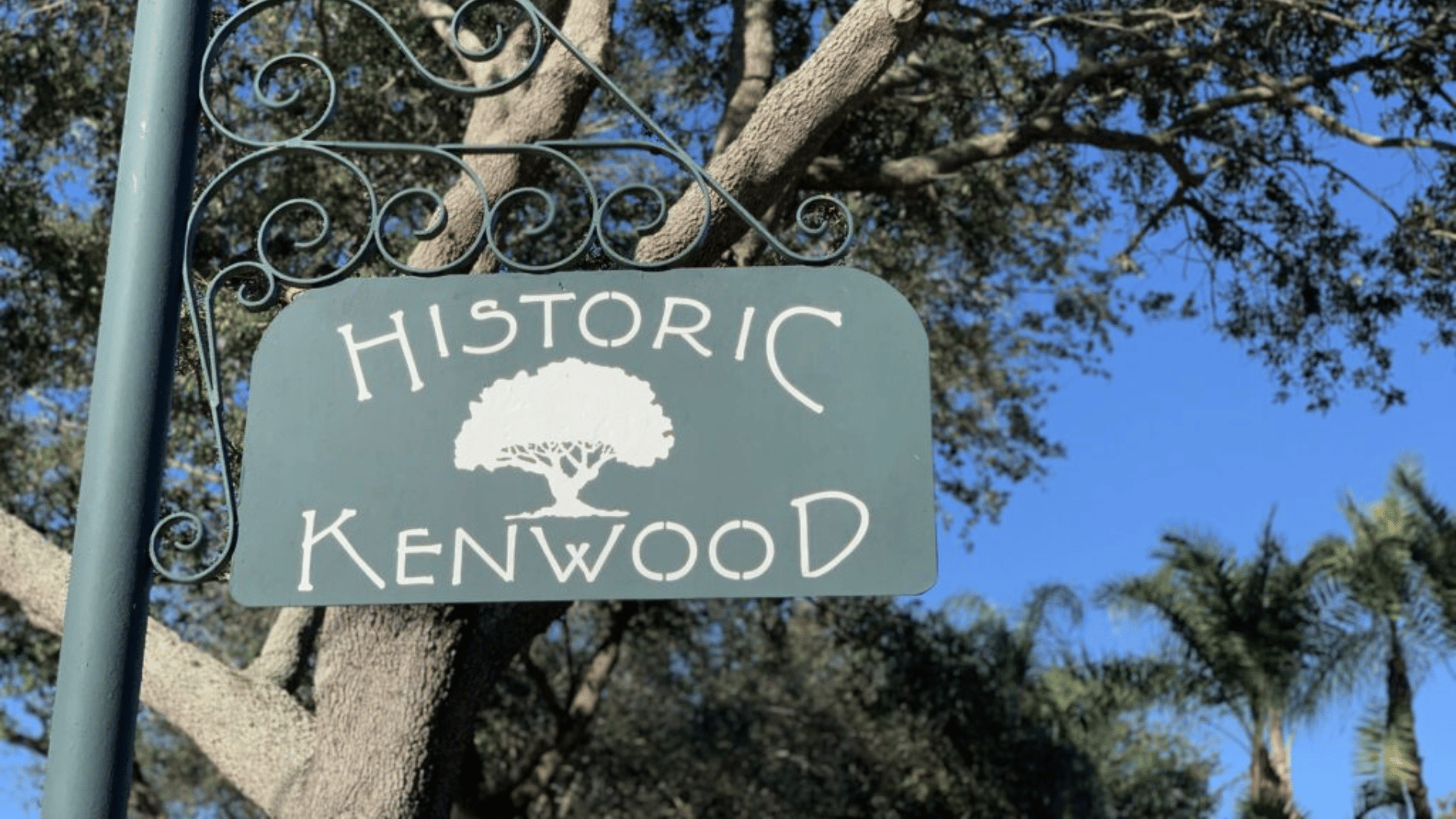
Historic Kenwood
St. Petersburg
A 375-acre National Register district of Craftsman bungalows west of downtown — and home to St. Pete's official Artist Enclave, where resid…
 Featured
South Tampa
Tampa
Historic + contemporary mix stretching from Bayshore Boulevard to MacDill. Top-rated schools and walkable village pockets.
 Featured
Old Northeast
St. Petersburg
Historic brick-lined streets, early-20th-century bungalows, and waterfront views on Coffee Pot Bayou.
 Featured
Seminole Heights
Tampa
Craftsman bungalow historic district north of downtown. Independent restaurants, breweries, and a strong arts scene. One of Tampa's most ch…
Questions about your own market?
Reach out for a tailored take on your neighborhood, timeline, or price band.