— Community Guide
Clermont
Clermont, FL
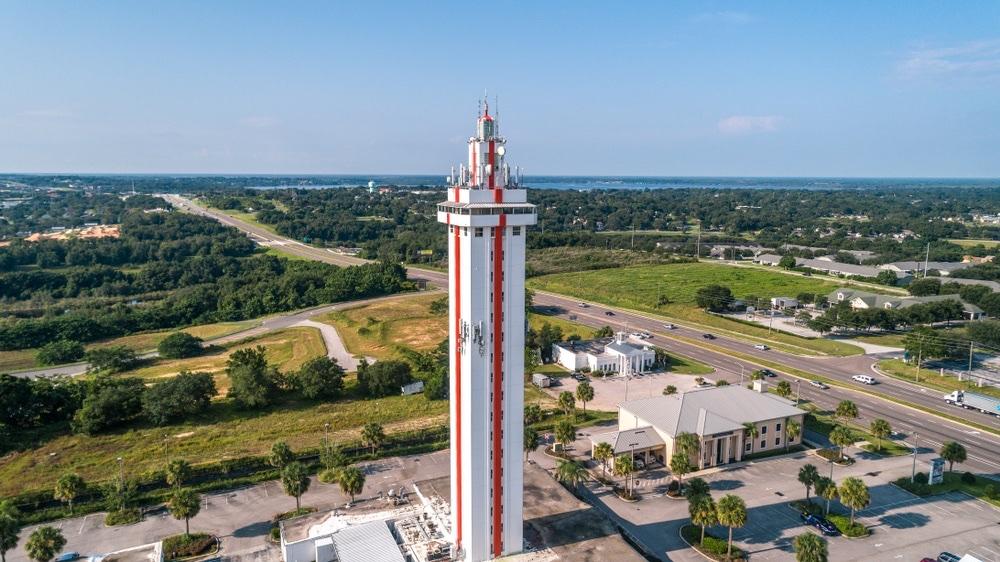
“Clermont is Central Florida's hill-and-lake city — 11 interconnected lakes, rolling terrain atypical of the Florida peninsula, and the 1956 Citrus Tower that still anchors Downtown Montrose Street thirty miles west of Orlando.”
Hills + lakes · outdoor lifestyle · commuter-friendly · Chain of Lakes boating
What locals love
- Clermont Chain of Lakes — 11 interconnected lakes including Lake Minneola, unlimited boating without re-trailering
- Rolling hills (Lake Wales Ridge) rare in Florida — ideal cycling, trail running, triathlon training
- National Training Center (NTC) on US-27 — USA Triathlon Certified Performance Center, open to the public
- Florida Citrus Tower on US-27 — 226-ft observation tower built 1956, views to Kennedy Space Center on clear days
- 30-40 minute commute to downtown Orlando via US-27 + SR-91 Turnpike Extension
A brief history
Clermont was founded in 1884 and named after Clermont-Ferrand, France — the birthplace of A.F. Wrotnowski, the Clermont Improvement Company's first manager. Early growth was driven by citrus groves that thrived on the sandy, elevated soil of the Lake Wales Ridge; the area once supplied roughly a third of Florida's annual citrus output. The catastrophic freezes of the 1980s and 1990s ended the groves, and Clermont pivoted to residential development. The Florida Citrus Tower, built in 1956 at the city's geographic high point, still stands on US-27 as the most visible reminder of that era. Clermont incorporated in 1916 and adopted the Choice of Champions brand in 2014 in recognition of the National Training Center.
The housing mix
Clermont's housing stock spans 1970s-1990s single-family ranches near downtown and Lake Minneola, 2000s-2010s golf-course and lake-view subdivisions like Legends and Summerhill, active-adult 55-plus communities including Heritage Hills, Kings Ridge, and Summit Greens, and a wave of 2020s new construction in the Wellness Way growth corridor south of SR-50. Typical lots run a quarter-acre to half-acre in established communities; prices span from the mid-$300Ks for an inland SFR to well over $1M for lakefront or hillside homes on the Chain of Lakes.
Who lives here
Clermont draws athletes and fitness-focused buyers who train at the National Training Center or cycle the county's hilly roads, families relocating from Northeast and Midwest markets who want more land and square footage per dollar than Winter Garden or Windermere offer, and a substantial 55-plus population filling the resort-style communities that ring the city. Commuters working in downtown Orlando or the Four Corners and Disney corridor are a consistent buyer segment — the Florida Turnpike Extension makes the drive predictable. Retirees from coastal Florida looking to reduce cost-of-living without leaving the state also factor in, attracted by the lakefront access and the city's relatively low flood-insurance exposure on hillside lots.
Landmarks & things to do
- Clermont Chain of Lakes — boat, kayak, or paddleboard across 11 connected lakes from Lake Minneola to Lake Louisa
- Lake Louisa State Park — 4,500 acres with cabins, swimming beach, and hiking trails on three lakes
- Florida Citrus Tower — 226-ft observation deck on US-27 with views across the Chain of Lakes and toward Orlando
- National Training Center (NTC) — world-class track, aquatic center, and fitness facility open to public memberships
- Clermont Waterfront Park — lakefront park on Lake Minneola with splash pad, boat ramp, and amphitheater
- South Lake Trail — paved 22-mile multi-use trail connecting Clermont, Minneola, and Groveland along rail corridor
- Historic Downtown Clermont (Montrose Street) — boutique shops, wine bar, and local restaurants steps from the waterfront
- Palatlakaha Environmental and Agricultural Reserve — 8,000-acre nature preserve west of Clermont for birding and hiking
Schools in the area
Detailed school zone + rating pages are rolling out progressively. Ask Ben about school-zoned home searches in Clermont — he'll pull the exact attendance map and closed-sale data for each feeder pattern.
Frequently asked about Clermont
Why does Clermont have hills when the rest of Florida is flat?
Clermont sits on the Lake Wales Ridge, a strip of elevated ancient dune formations running down the middle of the Florida peninsula. The ridge was once a chain of barrier islands before sea levels dropped; the sandy, well-drained soil and genuine elevation change — up to 300 feet above sea level in Lake County — make Clermont look and feel nothing like coastal Florida. It is why the Citrus Tower was built here and why the National Training Center chose Clermont for elite athletic training.
Do Clermont homes require flood insurance?
Most of Clermont's hillside and inland subdivisions are designated FEMA Zone X — minimal flood risk — meaning lenders do not require flood insurance and voluntary coverage is inexpensive. This is a genuine financial advantage over the flat, low-lying parts of Central Florida. Properties on the Chain of Lakes waterfront, however, can fall in AE or other designated zones where flood insurance is mandatory. Always pull the specific FEMA flood zone certificate for any property before making an offer.
What schools serve Clermont?
Clermont is served by Lake County Schools. The south Clermont feeder pattern runs through Lost Lake Elementary, Windy Hill Middle School, and South Lake High School — ranked in the top 300 in Florida by US News, offering AP courses and dual enrollment with Lake-Sumter State College. East Ridge High School serves the northeastern part of the city. Montverde Academy, six miles north, is a nationally ranked private boarding and day school with strong college placement. Ask Ben for a specific school-zone map when searching by subdivision.
What is the Clermont housing market like in 2026?
Clermont is a buyer-friendly market compared to 2021-2022 peak conditions. Median sale prices citywide run approximately $430K-$460K depending on the data source and time window. Days on market average 45-70 days — longer than the frenzied 2022 pace. Inventory has grown meaningfully, particularly in new construction south of SR-50 in the Wellness Way corridor. SFR homes in established hillside or lakeside subdivisions tend to hold value better than townhome and condo products in the same ZIP codes.
How does Clermont compare to Winter Garden?
Both are West Orange and South Lake commuter suburbs with strong outdoor access, but they have distinct identities. Winter Garden is denser, more walkable, and pricier — Plant Street Market and the West Orange Trail put it in a different lifestyle bracket. Clermont has more land per dollar, a stronger boating-and-hills outdoor identity, and a larger 55-plus community. Commute times to downtown Orlando are comparable: 30-40 minutes for both. Buyers who prioritize square footage, lakefront access, or an active-adult community tend to choose Clermont; buyers who want walkable downtown dining lean toward Winter Garden.
Nearby
Other communities you might like
Altamonte Springs
Altamonte Springs
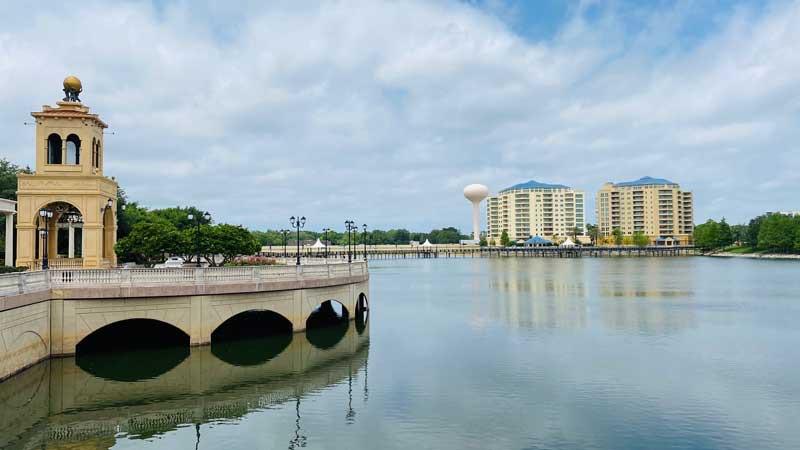
Altamonte Springs is Seminole County's largest city — built around I-4 and SR 436, anchored by Cranes Roost Park, and served by one of Florida's top-rated school districts at price points well below neighboring Winter Park.
Apopka
Apopka
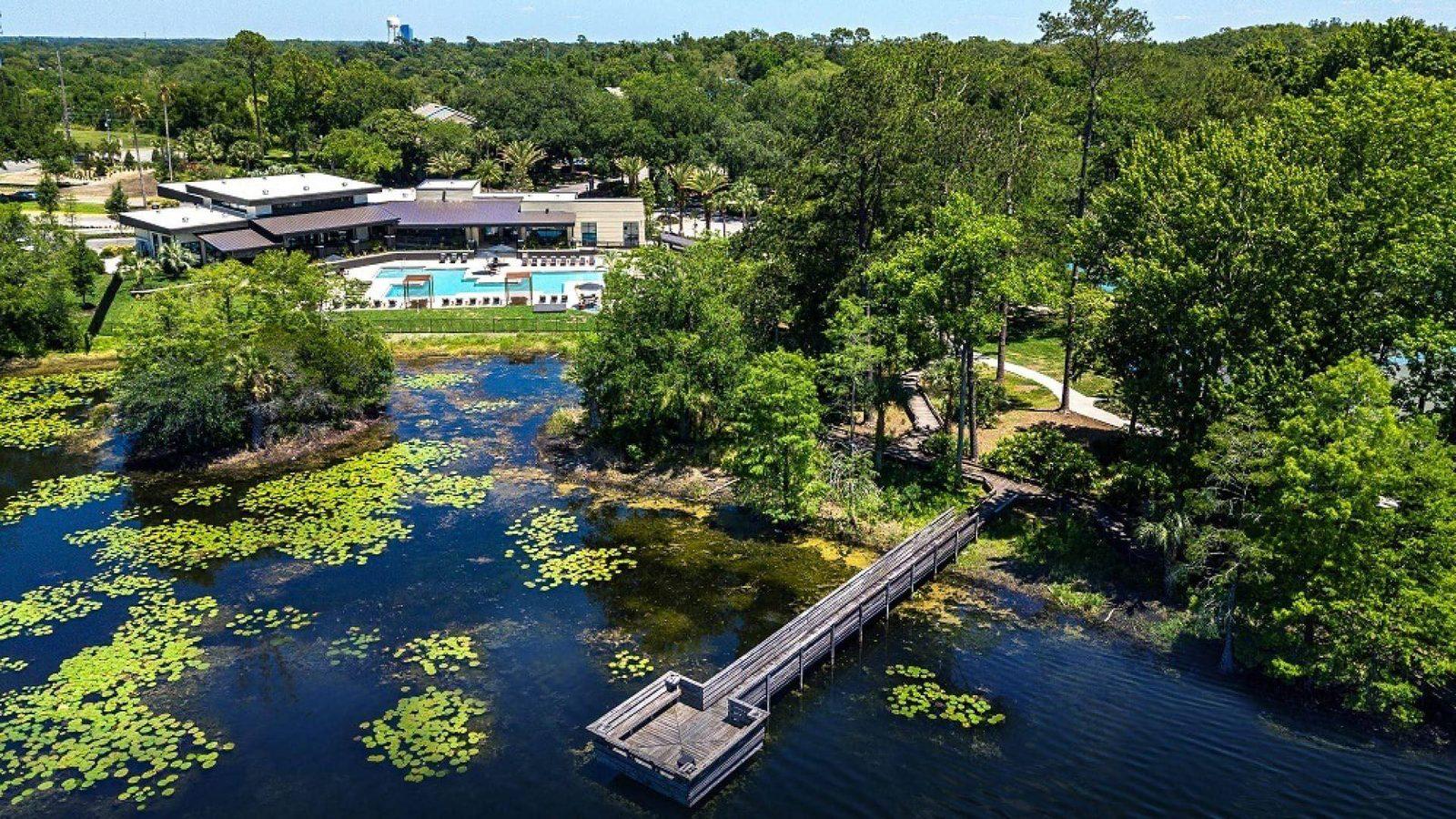
Apopka sits at the northwest edge of Orange County — 20 miles from downtown Orlando via the SR 429 Western Beltway, and 10 minutes from Wekiva Springs State Park and Kelly Park's 68-degree natural spring. The city that earned the nickname "The Indoor Foliage Capital of the World" is now one of Central Florida's fastest-growing corridors, with new communities along the Kelly Park Road interchange meeting established neighborhoods built around lakes, golf courses, and old Florida oak canopy.
Audubon Park
Orlando
East Orlando's most walkable neighborhood -- Corrine Drive lined with Michelin-starred restaurants and independent shops, a 50-acre botanical garden at the doorstep, and a K-8 school that scores 10 out of 10.
Where Clermont is
Clermont, FL
Same city
New construction in Clermont

Del Webb Lakehaven
by Del Webb · Clermont
Del Webb Lakehaven is a 55+ age-restricted community on Sawgrass Lake in Clermont offering 14 floor plans across three series — from attach…
Lakehaven Estates
by Pulte Homes · Clermont
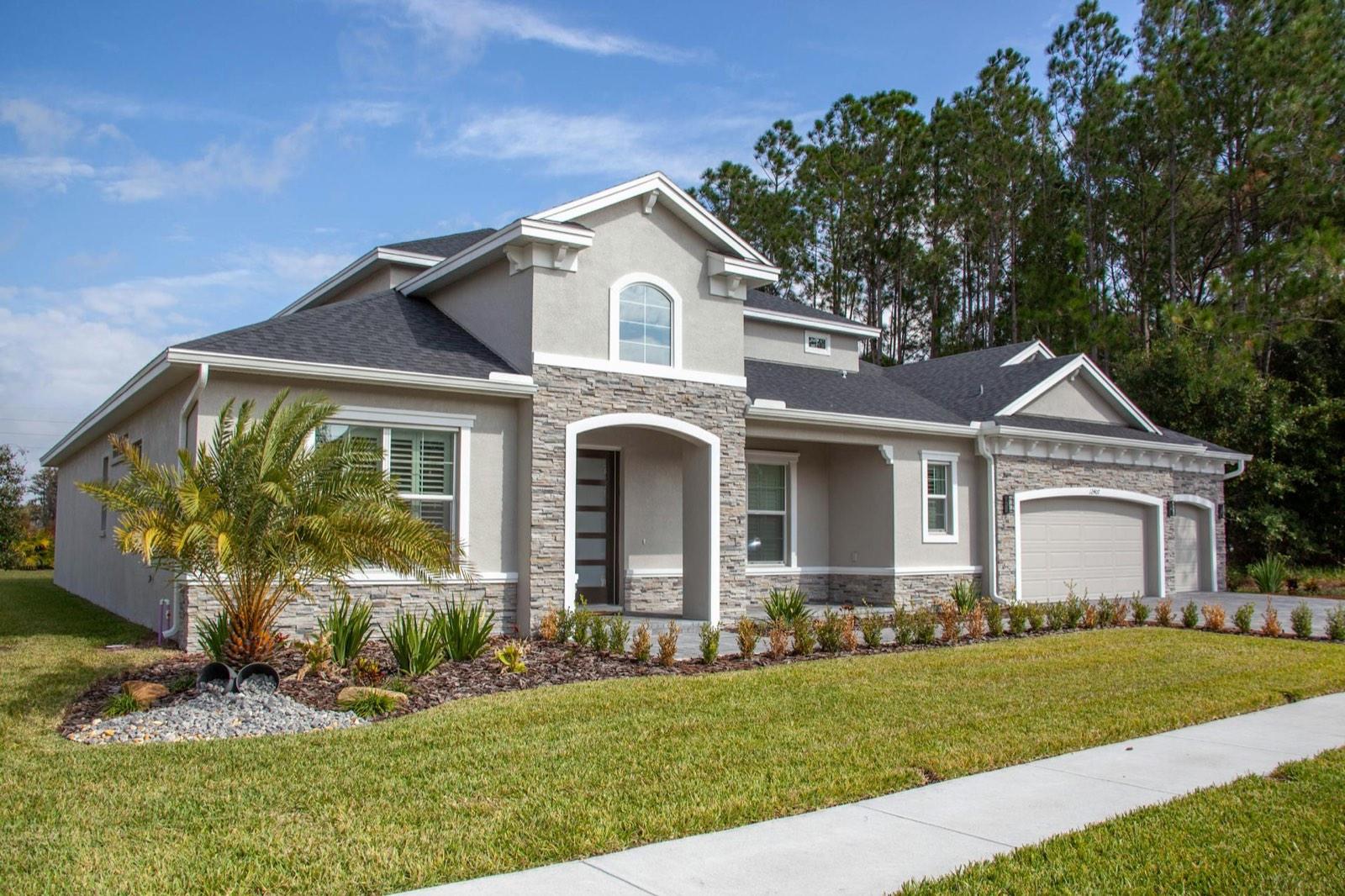
All-ages new construction in Clermont's Wellness Way corridor — 26 floor plans on 50' and 60' homesites, from the $400s to the $870s, with…
 sold out
Hartwood Landing
by Dream Finders Homes · Clermont
Hartwood Landing is a sold-out Dream Finders Homes community in Clermont near Hartwood Marsh Road and the Hancock Road Extension, with lega…
 sold out
Sawgrass Bay
by Lennar Homes · Clermont
Sawgrass Bay is a sold-out Lennar community in Clermont with 6 floor plans from 1,555 to 2,896 sqft, a community pool, lake, playground, an…
Thinking about a home in Clermont?
Tell me what you're looking for and I'll send a tailored list with context on each one — schools, flood zones, market timing, the stuff that matters.